Analysis of SMT Assembly Costs and Optimization Strategy
The cost of SMT includes the component, labor, equipment, and other costs.
Using a detailed analysis of the effects these factors have on SMT assembly cost can help PCBA manufacturers fully understand
SMT line costs and reduce costs.
Component Cost
Component costs are a major factor in SMT patching.
Quantity, type and price of the components directly affects it.
Costs increase as the number of components increases. Costs are also differentiated by different types
of components.
For example, compared to resistors the cost of IC chips are relatively high.
By optimizing component acquisition strategies and reducing the inventory levels, you can control the
costs of components.

Cost of Labor
Labor costs are a major cost component for SMT mounting processing.
The number of employees, their skills, and efficiency are all closely related to labor costs.
The addition of more workers may increase the capacity for circuit board production, but will also
increase costs.
The cost of labor can be reduced by improving worker’s skills and efficiency.
In order to reduce overall labor costs, it is important to focus on improving training, increasing
remuneration and motivation, as well as continuously improving skills.
Equipment Cost
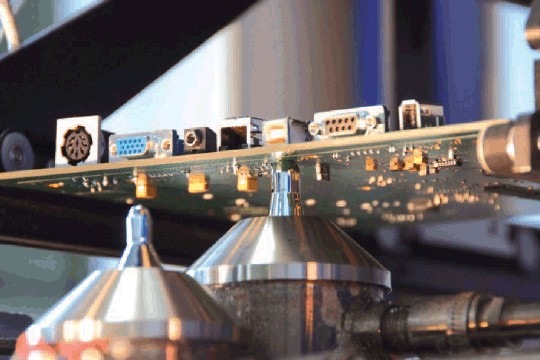
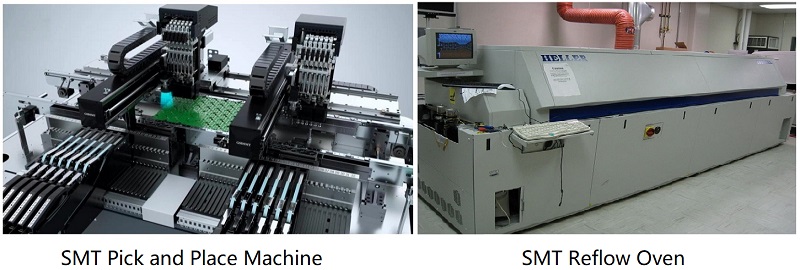
The SMT equipment used for SMT patch production includes SMT pick-and-place machines, SMT Reflow Ovens,
Testing Instruments, etc.
The number, type and lifespan of the equipment will affect its cost.
Equipment costs can be effectively controlled by optimizing equipment configurations, adopting new
technology and maintaining devices regularly.
Consider leasing or sharing your equipment to lower the initial cost and fixed costs.
Other Costs
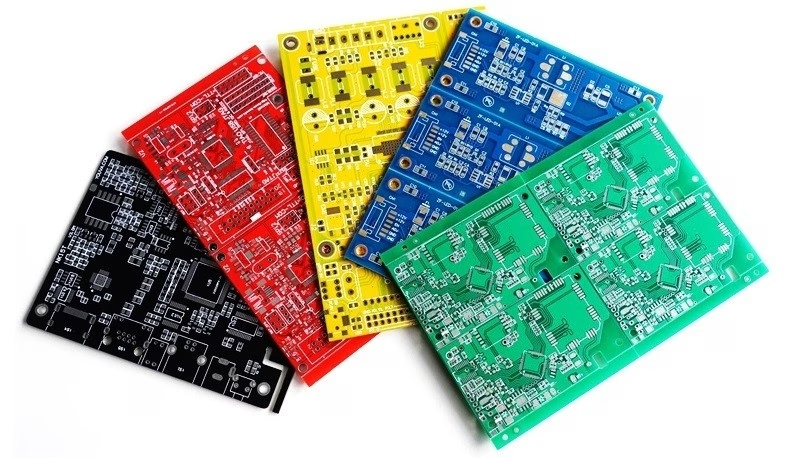
Other costs include raw material manufacturing PCB and management expenses.
You can find suppliers of raw materials and consumables with competitive prices.
Manufacturing and administrative costs are impacted by the management and optimization of processes.
Manufacturing costs can be reduced by improving production efficiency, reducing waste rates and
optimizing management structures.
Cost Optimization of SMT Assembly
Cost Composition Analysis:By analyzing the different components of SMT processing costs
in detail, we can determine the percentage of each component in the overall cost. This will allow us to
reduce the cost accurately.
Cost Trend Analysis:Track and analyze the changes in the cost of SMT processing,
identify the reasons for cost fluctuations and quickly adjust pricing and cost strategies to respond to
industry and market changes.
Cost Difference Analysis: Compare SMT processing costs between different companies to
find out the factors that are responsible for the differences. Develop a cost-optimization strategy that
is tailored to your needs by learning from the industry.
Summary
By analyzing the costs of SMT patches and adopting optimization strategies
It can control costs effectively, improve competition, and achieve sustainable growth.
The SMT processing service can gain a competitive edge in the market with this comprehensive approach to
cost management.