Analysis of SMT Technology
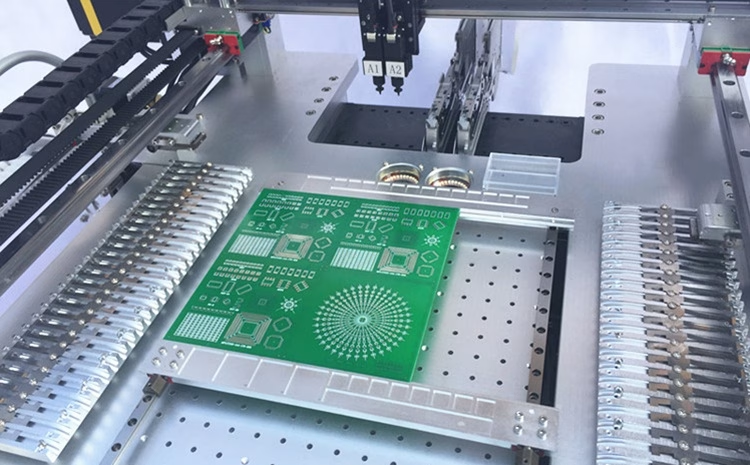
Surface mount technology is the most common technology in the circuit assembly industry.
Automating SMT technology increases production efficiency and improves product quality.
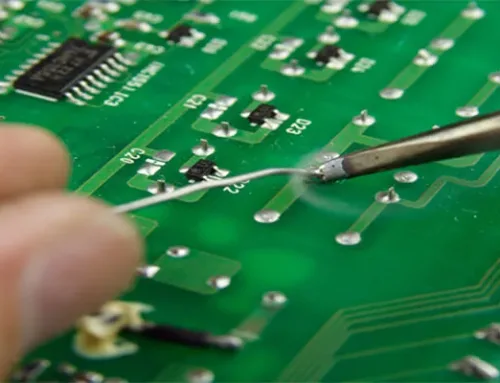
SMT is an assembly technique that uses reflow soldering or DIP to assemble SMT chips.
SMT technology is a core process that includes solder paste, mounting, reflow-soldering, AOI Inspection,
maintenance and other processes.
Current State of SMT Processing Technology
The SMT technology is now mature and widely used across various industries.
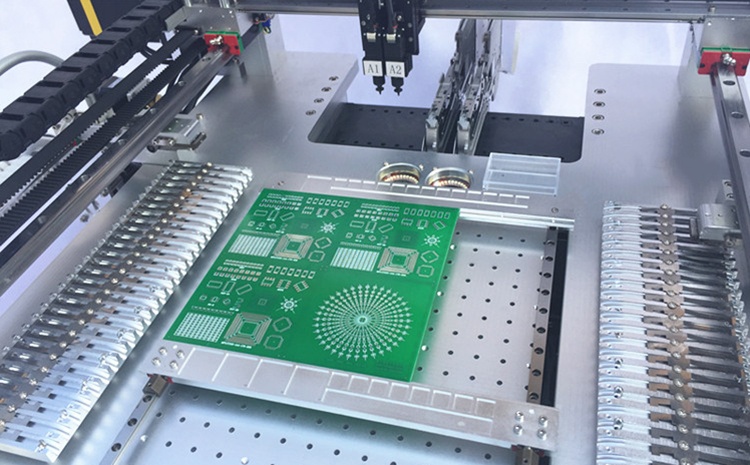
The SMT processing equipment is intelligent and automated, and it can handle large-scale production.
SMT processing technology continues its innovation in process technology. It improves production
efficiency and product-quality.
The Advantages of SMT Processing Technology
The following benefits are associated with SMT processing:
High Assembly Density: Surface mount components can be directly installed on the PCB
surface, improving assembly density.
The product is compact and lightweight: SMT processing technology reduces the lead
length of components. This results in a smaller and lighter product.
High reliability: SMT patch processing uses soldering to weld PCBs and components. It
is highly reliable.
High production efficiency: SMT patch processing technology utilizes automated and
intelligent equipment in order to increase production efficiency.
The Challenges of SMT Processing Technology
The SMT process is not without its challenges, including:
Complex process: The SMT patch process is complex and involves many steps.
High Cost: SMT processing equipment costs and consumables are high. This affects
production costs.
Pollution of the environment: The SMT process will generate welding fumes and wastes,
which can cause environmental pollution.
The SMT Technology Development Trend
The future of SMT patch processing will be in the following directions.
High-Density, High-Precision
As electronic products continue to develop, there are higher demands on size and weight.
SMT processing has a high assembly densities and can reduce the size and weigh of electronic products.
The SMT processing technology is also highly precise and can be used to meet the requirements of
high-end electronics.
Automation and Intelligence
SMT processing involves several steps. The SMT process is complex, and high standards of craft control
are required.
Automation and intelligent technology can increase the efficiency of production and improve product
quality in SMT patch processing.
Environmental Protection
SMT will create welding fume and waste that are harmful to the environment.
The SMT processing technology will be more environmentally friendly and pay greater attention to
environmental protection.
Summary
SMT technology offers high assembly density and small product sizes, as well as high reliability and
production efficiency.
The SMT processing technology will evolve towards high density, precision, automation and intelligence.