Why Does Flexible PCB Require Stiffeners
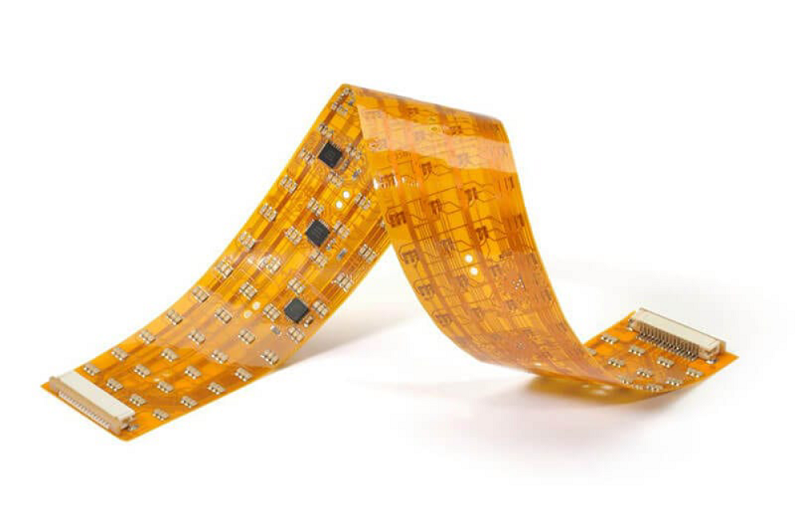
Flexible PCBs are flexible and can be folded or
bent. They can also be used for static and dynamic applications.
Flexible Circuit Board Reinforcement
Flexible PCBs are in high demand across all industries, but especially the military, industrial, and
medical sectors. Highqualitypcb is able to handle many orders of flexible PCBs that are low in volume
and high in mix because the volume of these parts is typically small.
What Is a Flexible PCB?
The name “flexible printed circuit boards” (also called FlexPCBs), comes from the fact that
they can be shaped to fit any electronic device or product. Flex boards have patterned printed circuits,
and can be made of a ductile material that highlights component arrangement.
We will also consider how flexible PCBs are connected to other devices. We will now discuss the use of
stiffeners when designing Flexible PCBs.
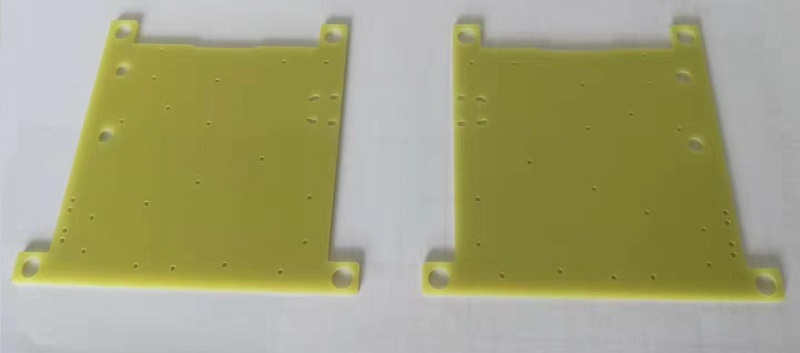
Materials commonly used for flexible PCB stiffeners include Fr4, PI and aluminum.
When Using Reinforcement
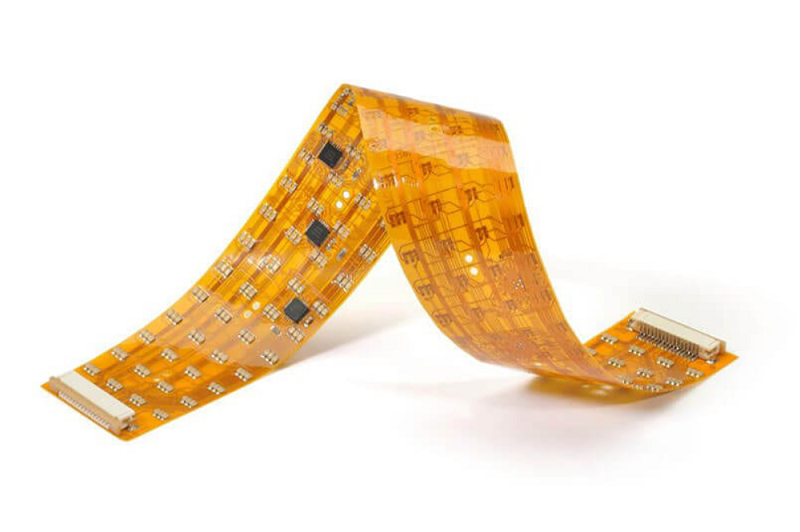
You can use stiffeners to reinforce the areas where you will assemble components, but not in the places
where your board will flex. You need stiffeners both on the front and back of your board where it bends.
Two laminates may be needed. Some stiffeners may require an additional lamination cycle. The stiffeners
add thickness to the board, and they also affect manufacturing costs and time. In some cases, stiffeners
may be necessary.
Pure-flex PCBs are able to accommodate fewer parts than rigid-flex components. The rigid part of a
rigid-flex circuit assembly can be just as complex as traditional rigid circuit boards. Sometimes
stiffeners and coverings are laminated together.
Reinforcement Material for Flexible PCB
Kapton or FR-4 are used as stiffeners. When the end of a flexible line needs to be extended and inserted
into ZIF connectors, Kapton is used. However, using Kapton will require a separate lamination cycle. The
same lamination process can be used to complete FR-4 stiffeners.
Use stiffeners to route and fix flexible PCBs.
When routing and securing the array, the same material as the stiffener will extend into the array. It
makes the array harden.
In the Following cases, Flexible PCB Stiffeners Are Required:
• Components in dynamic or active bending zones near.
• The component’s weight and size puts pressure on its flexibility.
• Planarity is critical when there are many SMT pads.
• Connectors that require repeated insertion or assembly may need stiffeners, or parts to relieve the
stress on the backing plates.
In the Following Situations, Reinforcement Is not Necessary:
• The flexibility of a PCB is not affected by smaller “static” components. The flex area is
empty.
• Flexible PCB Design Techniques
1. What Are the Benefits of Using Flexible Cables as Opposed to Cables?
Flexible PCB assembly is a high-quality SMT assembly that offers several advantages to cables.
We have discussed both the advantages and disadvantages. Flex PCB’s higher initial cost will reduce
overall costs. Flexible PCBs are produced in a matter of days, whereas cables can take several weeks. A
flex circuit can reduce or eliminate cable costs and assembly time. It also produces a lighter product.
2. What Is the Recommended Hole and Pad Size for Flexible PCBs?
Flex materials, like Kapton do not drill as well. Flex is the only material that can be used for minimum
sizes of ten mils or more. The rigid-flex PCB specification is similar to the rigid board specification.
The only place where the flex board is plated and pad size are for the barrel (hole walls). Due to the
need for bending and keeping the copper electrodeposited away from the surface, the flex holes do not
have a surface plating.
3. Elastic Pre-Preg
The preferred bonding material to join flexible and rigid materials is no-flow prepreg. Most commonly,
it is standard FR-4 polyimide.
4. What Alternative Materials Can Be Used to Join Flexible and Rigid Materials Together?
The preferred bonding material is No-flow prepreg. Available in polyimide or standard FR-4.
5. How Does a Real Stack Look?
The rigid board has the same planar layers as the flexible layer.