Why Use Flex PCB for Medical and Wearable Devices?
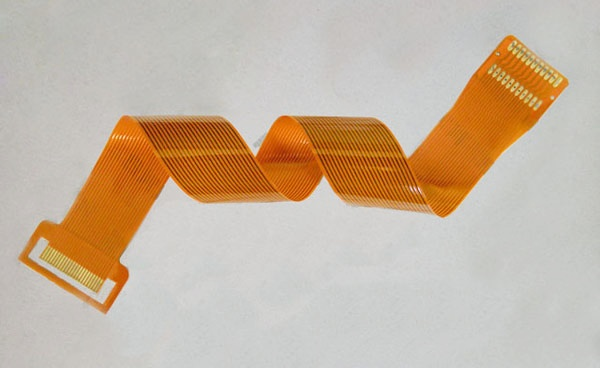
These markets will continue to grow in the coming years. All of these products have one thing in common:
they all require printed circuits. We explain why flexible PCBs can be found in wearables and medical devices.
As new technologies are developed, so do new design challenges. We have carefully studied some important
design trends in order to help companies advance.
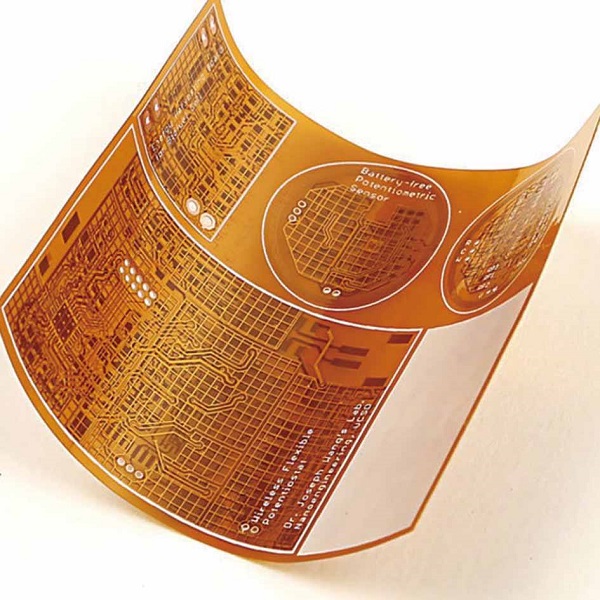
The Big Picture
When designing health-related wearables or medical devices, companies should keep two important factors
in mind: the purpose and usability.
Application
A medical device or wearable should first achieve a clear and valuable purpose. Wearable startups often
begin with solutions, which may seem obvious. Wearable and medical designers would be better off
identifying and understanding the clinical challenges their devices will alleviate or solve.
Easy of Use
Wearables and medical devices must also make sense. Wearables, medical devices and smartphones are all
designed with different standards. Many designers see wearables the same way they view smartphones. This
approach is simply not feasible. Wearables and medical equipment require greater precision and
specialization, as well as unique physical requirements. It is important to focus on the usability of
the device in order to make sure that it provides value and utility.
Physical Considerations
The focus now shifts from completing project details to conceptualizing your goals and making them a
reality.
The concept is the solution to the problem. Two areas in particular need attention when it comes to
medical devices and wearable technologies.
Miniaturization
You need to be able to think small in order for you excel in this industry. Miniaturization is a major
trend in medical devices, and wearables. These gadgets must be as small as they can while still
performing their intended functions. Electronics are being reduced in size by many companies. The
electronic is almost invisible to the individual.
You need to start small if you want to achieve big things.
Flexibility
Companies in this field must also solve the problems of flexibility when designing. Wearable devices are
often required to be more flexible and withstand multiple scenarios. Designers in the healthcare
industry face a particular challenge when it comes to flexibility. It was not a major consideration in
the past for medical electronics. The MDDI report shows that these devices were usually larger and more
robust. As wearables, implantable medical devices and other similar products become more popular, this
is changing. Flex and rigid-flex PCBs are more durable and heat resistant than their rigid PCB
counterparts. They’re also more flexible.
Medical Industry: Flex PCB
Flexible printed circuit boards are a perfect fit for medical devices and wearables in the healthcare
industry.
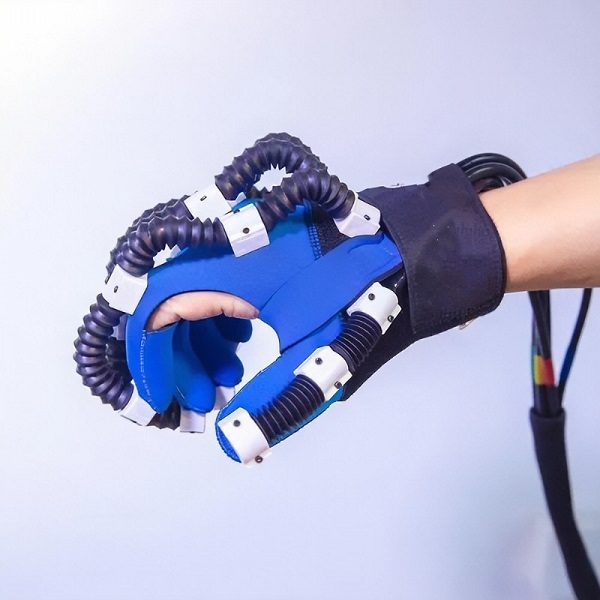
Two-dimensional electronic circuits no longer meet the needs of medical devices. Flexible printed
circuits are required for devices with moving parts and sensors attached to the patient.
They are more flexible, but also smaller, lighter and more durable . Flexible PCBs are ideal for
wearable technologies.
Flexible healthcare wearables are essential.
There are many design choices for flexible PCBs. Designers in this field have to take into account
elements that are unique to healthcare devices. needs to know what type and category of flexible board
the board belongs to to get more information on design guidelines.
Flexible PCBs for medical devices are as reliable or more reliable than rigid alternatives, and they
offer a greater durability. The question is not whether flexible PCBs are the best choice, but rather
how to design them. The question of what manufacturing category is appropriate for a wearable device or
medical device depends on its specific purpose and nature.
The Challenges of Wearable Technology and Flexible PCBs
In a recent conversation, flexible circuit experts talked about emerging applications for wearable
devices. These included functional devices for medical professionals and military personnel, like heart
monitors. He also noted that PCBs are evolving to the point that they can now be used for medical
applications such as drug delivery systems, watches, and more. They can send data about the circulatory
system and respiratory system to the wearer’s cardiologist.
One-stop high quality assembly service for PCB: The small size required by these
devices means that the PCBs inside are getting smaller. This can cause significant challenges to the PCB
manufacturing process.