
|
Images
|
Mfr.Part #
|
In Stock
|
Manufacturer
|
Description
|
Package
|
|---|

|
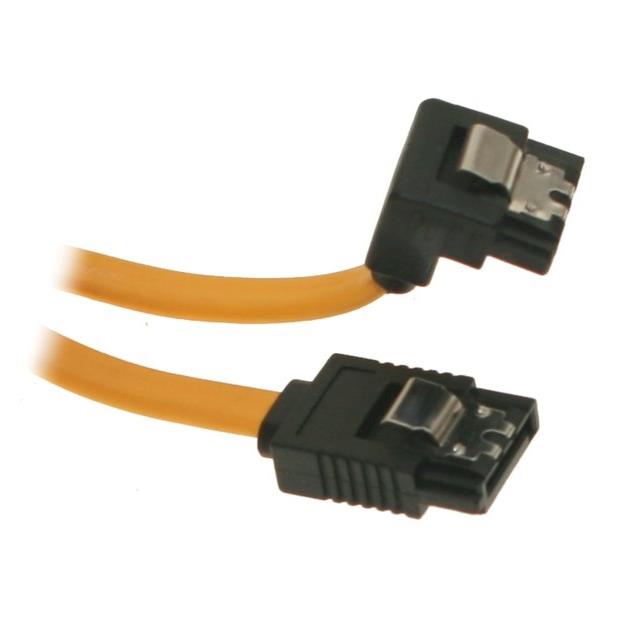
SS-043SR | 4400 | Gearmo | 17IN BLACK SATA III DEVICE CABLE | Bulk |
|
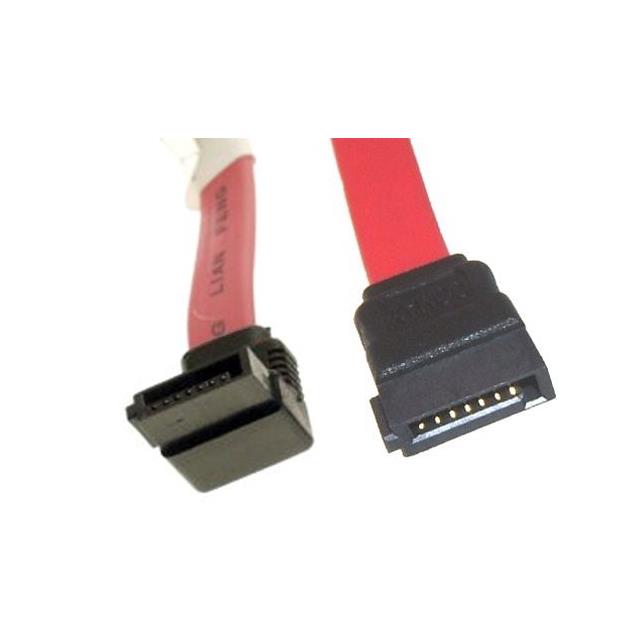
30SR483YL | 18801 | Gearmo | 19" SATA CABLE STRAIGHT TO RIGHT | Bulk |
|
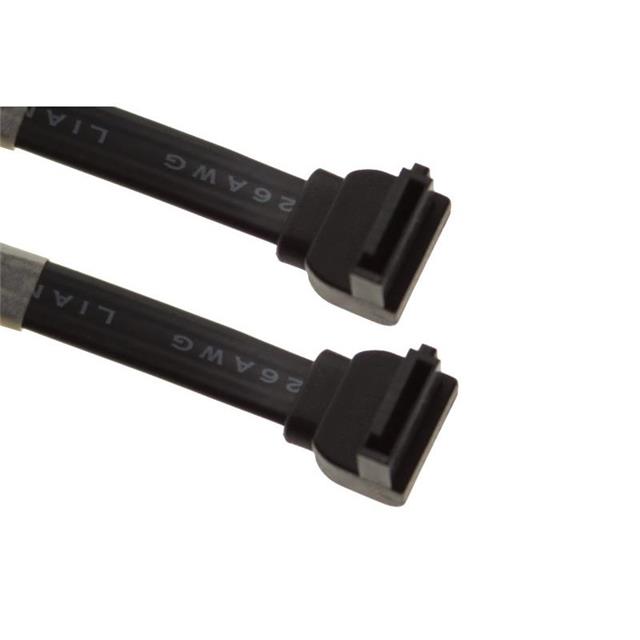
R-SS-1MSL | 16237 | Gearmo | 40IN RED SATA DEVICE CABLE STRAI | Bulk |
|
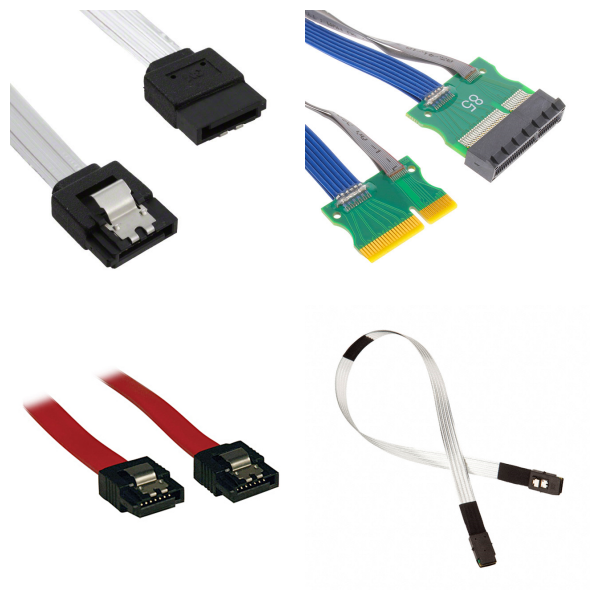
SS-075MRR | 42257 | Gearmo | 30" SATA DEVICE CABLE RIGHT TO R | Bulk |
|
30SS787YL | 19276 | Coolgear Brand Gearmo | 31" YELLOW LATCHING SATA III STR | Bulk |
|
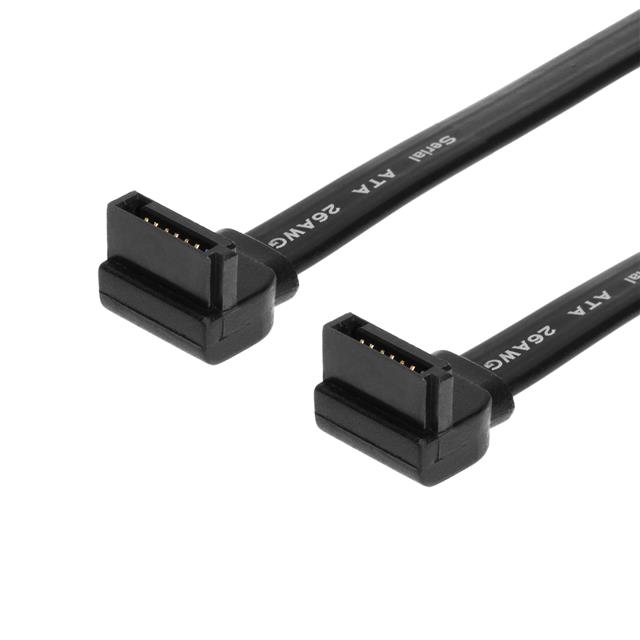
SS-035RR | 17219 | Gearmo | 14IN BLACK SATA DEVICE CABLE RIG | Bulk |

|
30SR584BL | 20125 | Gearmo | 23" SATA CABLE STRAIGHT TO RIGHT | Bulk |
|
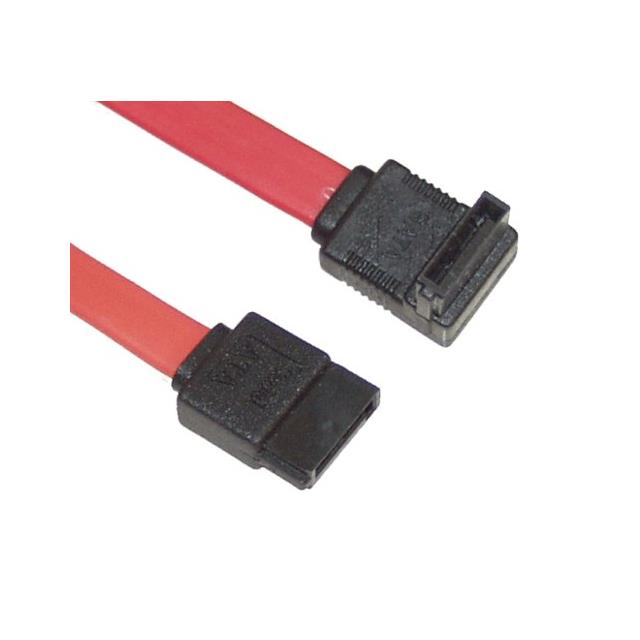
R-SS-043SR | 22134 | Gearmo | 17IN RED SATA III DEVICE CABLE S | Bulk |

|
SS-043SS | 4732 | Gearmo | 17" INTERNAL SATA III CABLE STRA | Bulk |
|
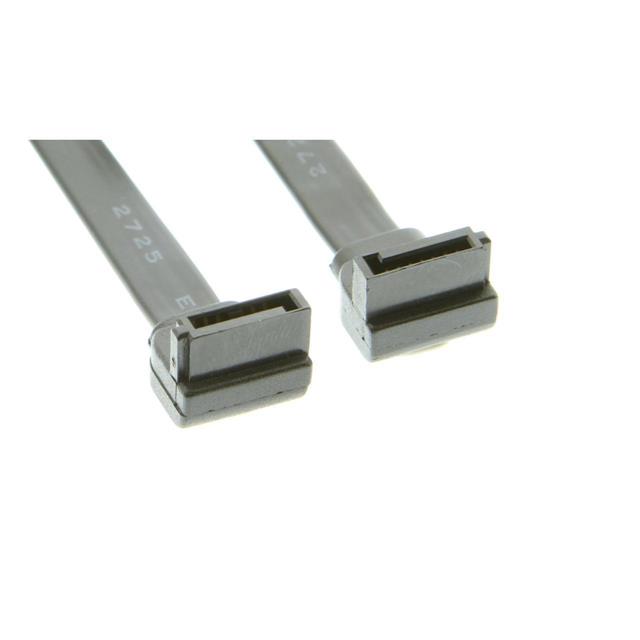
SS-043RL | 15542 | Gearmo | 17INCH SATA DEVICE CABLE RIGHT T | Bulk |

Pluggable Cables
As an "invisible bridge" in electronic systems, Pluggable Cables support the efficient operation and modular upgrade needs of modern electronic equipment through standardized design and high-performance materials.
1. Pluggable Cables Overview
Pluggable Cables are a special form of connector, mainly used to achieve pluggable electrical connections between devices or components. Its core functions include:
Signal/Current Transmission: Through metal contacts or optical fiber media, stable transmission of high-speed data, high-frequency signals, or high-power currents is achieved.
Modular Design: Supports fast plugging and unplugging, facilitates equipment maintenance, upgrades, or replacements, and reduces downtime.
Protection and Adaptation: Through shielding layers or sealing structures, electromagnetic interference (EMI), mechanical vibration, and environmental factors (such as dust and humidity) are prevented from affecting connection reliability.
2. What are the Typical Types of Pluggable Cables?
Based on application scenarios and technical requirements, pluggable cables can be divided into the following categories:
Board-end Cable Assembly: One end is fixed to the circuit board (such as SMT or DIP package), and the other end is connected to the external device, commonly used in computers, communication equipment, etc.
High-frequency/High-speed Cable: Adopting coaxial or optical fiber structure, supporting high-frequency signal transmission (such as SMA, BNC interface), suitable for RF communication, data center, and other scenarios.
Power Transmission Cable: Designed as a high-current, high-voltage interface (such as a power adapter, or industrial equipment connector) to ensure the stability of energy transmission.
3. What are the Key Performance Parameters of Pluggable Cables?
Mechanical Properties: The plugging and unplugging force needs to be moderate (typical value: several Newtons to tens of Newtons) to ensure ease of operation and long-term durability.
Electrical Performance: Low contact resistance (milliohm level) and high insulation resistance (megohm level) to ensure signal integrity and safety.
Environmental Adaptability: temperature resistance range (-40℃~125℃), corrosion resistance, and shock resistance, meeting the needs of industrial or outdoor applications.
4. Where are Pluggable Cables Used?
Consumer Electronics: charging/data interfaces (such as USB-C, HDMI) for mobile phones and laptops.
Communications and Networks: fiber optic modules (SFP+, QSFP), base station antenna connections, etc..
Industrial Control: PLC systems, sensor cables, robot power interfaces.
Automotive Electronics: vehicle charging ports, CAN bus connectors, etc..
5. Design Considerations for Pluggable Cables
Key points to pay attention to during development:
Interface Matching: physical size, pin definition, and compatibility with target devices.
Transmission Requirements: bandwidth, current/voltage level, and signal type (digital/analog).
Environmental Factors: sealing level (such as IP67), anti-interference ability and long-term reliability.