
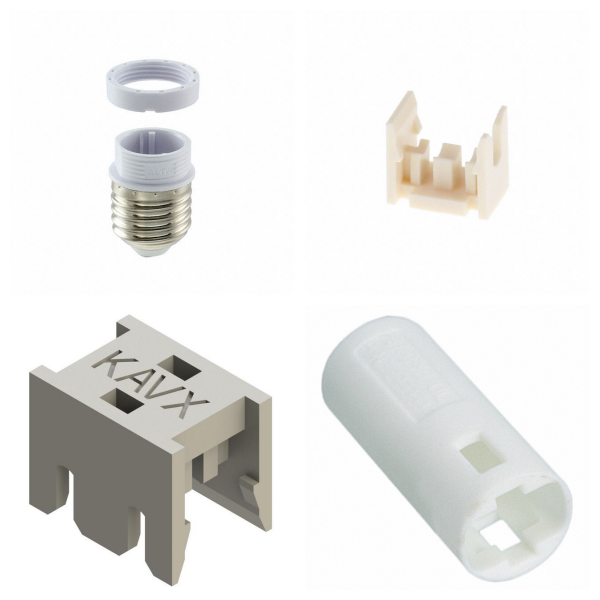
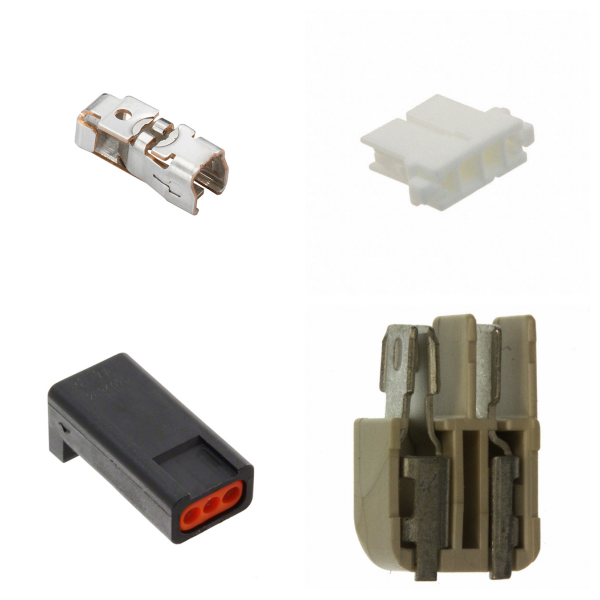
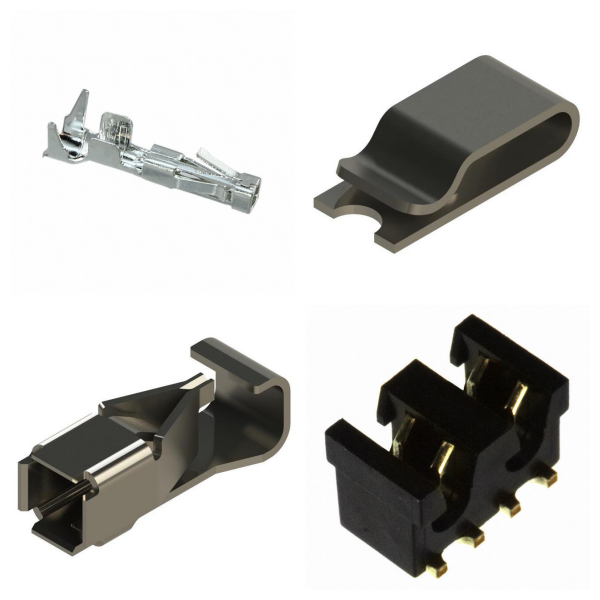
Solid State Lighting Connectors
Solid State Lighting Connectors are special electrical connection components designed for solid-state lighting systems (such as LED lighting). They have high reliability and environmental adaptability and are mainly used in industrial, commercial, and outdoor lighting fields.
1. What are the Technical Features of Solid State Lighting Connectors?
High-performance Materials: The shell is made of high-temperature resistant engineering plastics to ensure stable operation in an environment of -40°C to 105°C.
Electrical Parameters: Supports a maximum operating voltage of 250V AC/DC, carries a current of 5A, and has an insulation dielectric strength of 1500V AC, effectively isolating high-voltage risks.
Waterproof Sealing: Equipped with positive locks and pre-installed sealing rings, it meets the protection level of IP67 and above, and is suitable for harsh environments such as humidity and dust.
2. What are the Advantages of Solid State Lighting Connectors?
Compatibility Design: Supports 18-24 AWG standard cables, provides multiple connection methods such as wire-to-wire, wire-to-board, SMT, and through-hole connectors, and simplifies the installation process.
Anti-interference Ability: Through anti-ultraviolet treatment, it reduces the impact of light decay and environmental aging and extends the service life.
Efficient Heat Dissipation: Optimize the structure to solve the problem of heat concentration in LED modules, improve heat dissipation efficiency, and ensure system stability.
3. What are Solid State Lighting Connectors Used for?
Industrial Lighting: High-power LED lamps used in factories, warehouses, and other scenes require frequent vibration resistance and long-term maintenance-free.
Intelligent Control System: Compatible with intelligent protocols such as dimming and group control, and adapts to building automation and IoT devices.
Outdoor Facilities: Such as street lights and traffic lights, which rely on their sealing and weather resistance to cope with extreme weather.
4. Industry Trends of Solid State Lighting Connectors
Solid-state lighting connectors are developing in the direction of miniaturization and high-density integration. Some manufacturers (such as KYOCERA AVX) have launched modular solutions that support quick plug-in and blind-mate connections to reduce system maintenance costs. At the same time, the demand for special connectors for DC power supply systems has increased significantly to adapt to the popularization of new energy lighting equipment.