|
Images
|
Mfr.Part #
|
In Stock
|
Manufacturer
|
Description
|
Package
|
|---|
|
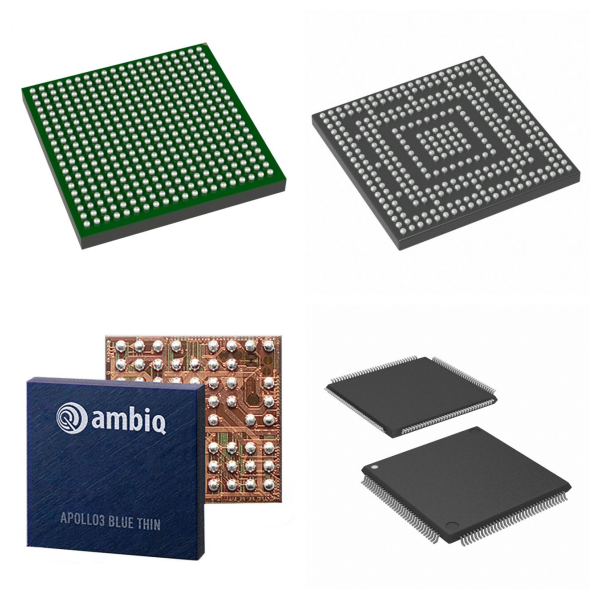
MAX32655GXG+ | 4005 | Analog Devices Inc./Maxim Integrated | IC FPU MCU CORTEX M4 BT 81LFBGA | 81-LFBGA |

|
10AS027E4F29E3SG | 28155 | Intel | IC SOC CORTEX-A9 1.5GHZ 780FBGA | 780-BBGA, FCBGA |
|
|
SC1201UFH-266 | 25125 | Advanced Micro Devices | SC1201 - 32-BIT MICROPROCESSOR | 481-BFBGA |
|
|
SC1200UFH-266 | 4687 | Advanced Micro Devices | SC1200 - 32-BIT MICROPROCESSOR | 481-BFBGA |
|
|
SC1201UFH-266B | 24870 | Advanced Micro Devices | SC1201 - 32-BIT MICROPROCESSOR | 481-BFBGA |
|
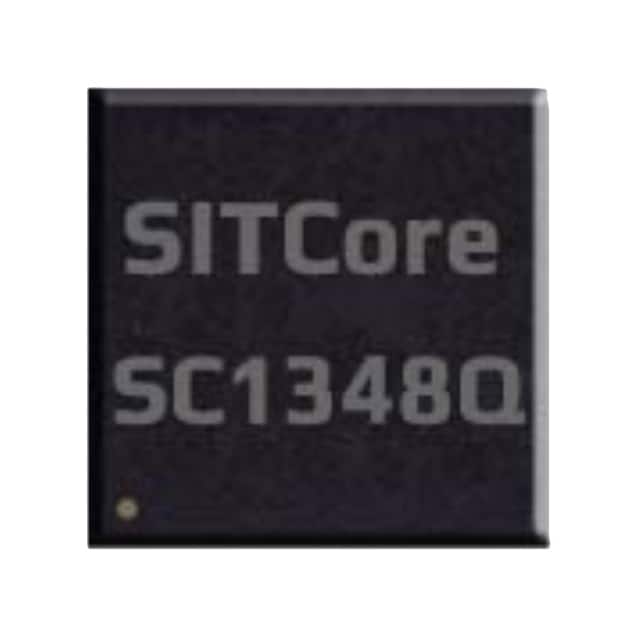
SC-13048Q-A | 16674 | GHI Electronics, LLC | SITCORE SC13048Q SOC | 48-QFN |
|
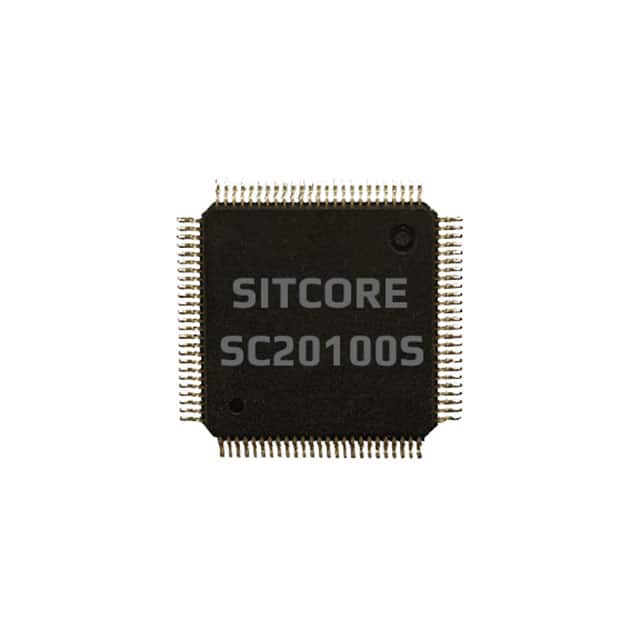
SC-20100S-A | 23920 | GHI Electronics, LLC | SITCORE SC20100S SOC | 100-LQFP |

System On Chip (SoC)
1. What is a System On Chip (SoC)?
SoC (System on Chip) is a highly integrated VLSI that integrates the functions of multiple independent components in traditional electronic systems (such as processors, memory, peripheral interfaces, etc.) onto a single silicon chip to form a solution with complete system functions. Its core goal is to reduce system complexity, power consumption, physical size, and overall performance through integrated design.
2. What are the Core Components of System On Chip (SoC)?
SoC usually includes the following key modules:
Central Processing Unit (CPU): performs general computing tasks, such as running operating systems and application software.
Graphics Processing Unit (GPU): dedicated to graphics rendering.
Neural Network Processing Unit (NPU): accelerates artificial intelligence and machine learning tasks (such as image recognition and speech processing).
Image Signal Processor (ISP): optimizes camera raw data and improves image quality.
Memory Controller and Storage Interface: manages RAM (such as LPDDR4) and external storage devices (such as eMMC and UFS).
Communication Module: integrates wireless connection functions such as cellular network modem, Wi-Fi, Bluetooth, etc.
Power Management Unit (PMU): Dynamically adjust the voltage and frequency of each module to optimize energy efficiency.
Input/Output Interface: Supports external device connections such as USB, PCIe, and HDMI.
3. What are the Technical Advantages of System On Chip (SoC)?
Miniaturization: Significantly reduces the physical space occupied by the system, suitable for portable devices (such as mobile phones and smart watches).
Low Power Consumption: Extend battery life through integrated design and PMU optimization.
High Performance: Short-distance interconnection between components reduces latency and improves data processing efficiency.
Cost Optimization: Single-chip replaces multi-chip solutions to reduce material and assembly costs.
4. What are System On Chip (SoC) Used for?
SoC is the core hardware carrier of mobile terminals (smartphones, tablets), IoT devices, wearable technology (such as smart watches), and embedded systems. Its highly integrated characteristics are particularly suitable for scenarios that are sensitive to space and power consumption.
5. Test Requirements of System On Chip (SoC)
SoC manufacturing requires multi-dimensional verification, covering digital/analog circuit functions, memory stability, power consumption control, and electromagnetic compatibility (EMI) to ensure chip reliability and mass production yield.
6. Technology Evolution of System On Chip (SoC)
In order to break through the bottleneck of traditional bus interconnection, new interconnection architectures (such as NoC and Network-on-Chip) are gradually replacing early SoC designs to support multi-core processor (MPSoC) collaboration and more complex data flow processing.