
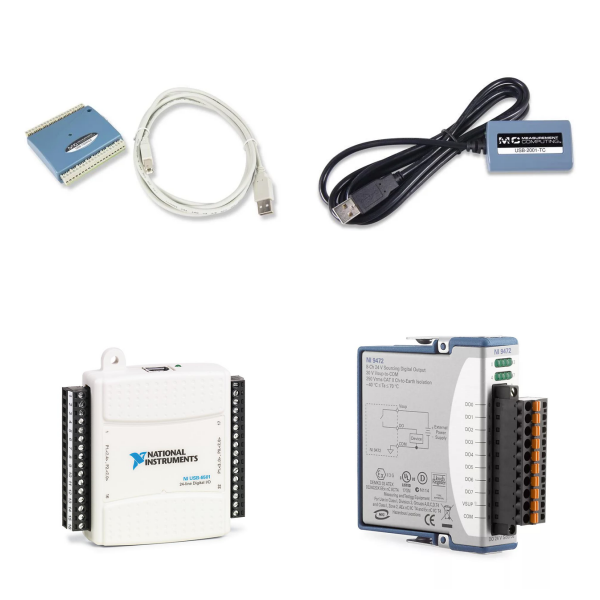
<h1> Data Acquisition (DAQ) </h1> <p> Data Acquisition or DAQ Systems are comprised of DAQ measurement hardware and sensors that are used to sample signals that measure voltage, current, temperature, pressure, and more. These products can be filtered by function, device type, bus connection, number of and type of inputs and outputs, resolution of input and output, bidirectional channels, sampling rate per second, and more. </p>
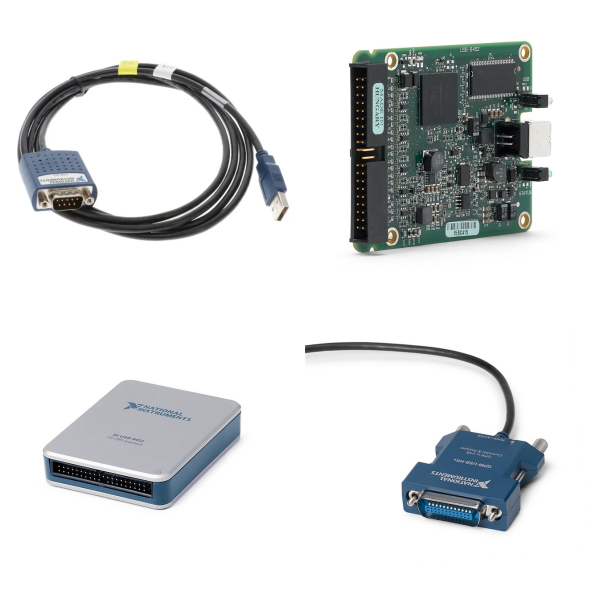
<h1> GPIB & Communications </h1> <p> General Purpose Interface Bus and Communications is a digital interface used to transmit data between devices. Types of product found in this category include CANopen interface, deviceNet interface, ethernet interface, GPIB interface, I²C/SPI interface, PROFIBUS interface, RS232 interface, RS485 interface, and more. These can be filtered by the bus connection, front connection, number of channels, supply voltage, serial protocol, features, and more. </p>
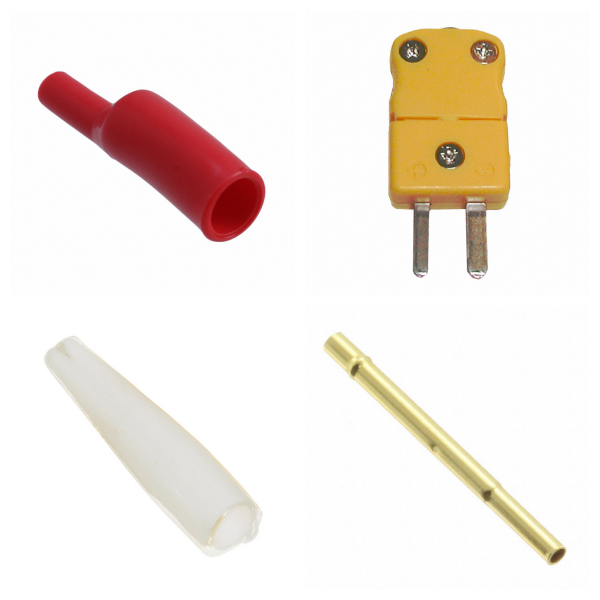
<h1> Test and Measurement Accessories </h1> <p> Supplementary items used with other devices in this category. </p>
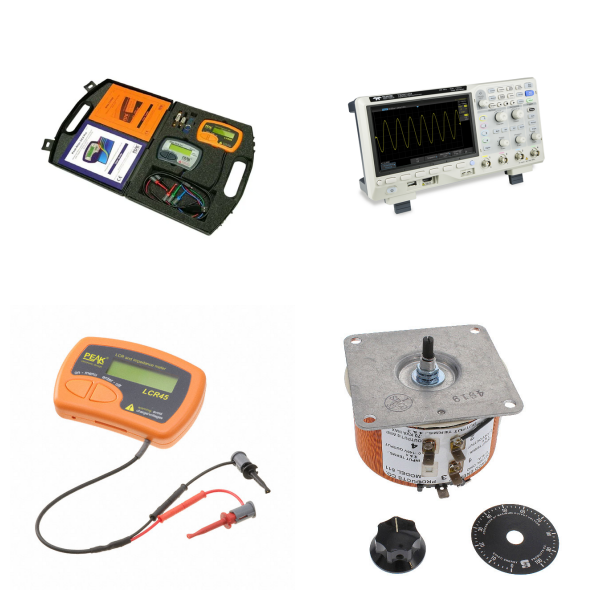
<h1> Test Equipment </h1> <p> Test and Measurement Equipment includes various items to conduct specific electronics related tests or measurements. Types include combination sets, electrical testers, current probes, environmental testers, force gauges, torque gauges, function generators, multimeters, oscilloscopes, test or bench power supplies, RF analyzers, variable transformers, and specialty items. </p>
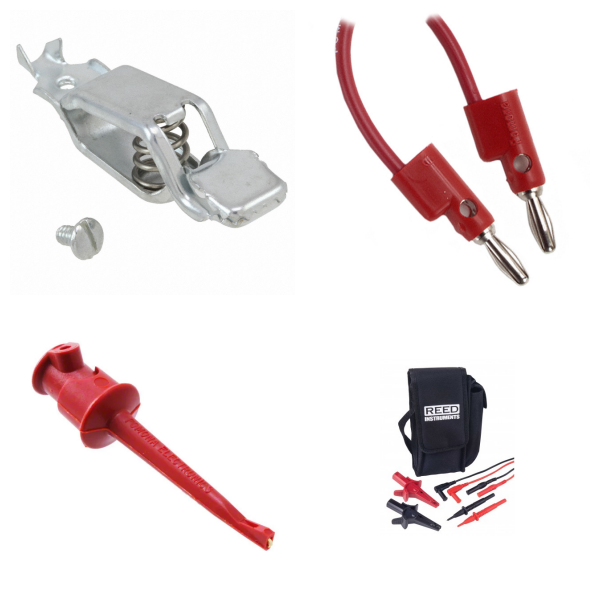
<h1> Test Leads </h1> <p> Test leads are critical connection tools in the electronic test and measurement field, primarily used to establish reliable electrical connections during circuit board testing, device diagnostics, and laboratory experiments. Their core functions include signal transmission, current conduction, and impedance matching, making them widely used in electronics manufacturing, maintenance, inspection, and R&D verification. </p> <p> </p> <h2> 1. What are the Core Features of Test Leads? </h2> <h3> 1) Structural Design </h3> <p> <strong>Main Material</strong>: Typically made of gold-plated copper alloy or beryllium copper alloy, ensuring low resistance (<0.1Ω) and high corrosion resistance. </p> <p> <strong>Insulation</strong>: Made of silicone or PTFE, with a temperature range of -40°C to 200°C and meeting UL94 V-0 flame retardancy. </p> <p> <strong>Connector Type</strong>: Compatible with a variety of adapters, including banana plugs (4mm), alligator clips, IC clips, and PCB test pins. </p> <p> </p> <h3> 2) Performance Advantages </h3> <p> <strong>High Frequency Response</strong>: Supports DC to 500MHz signal transmission, making it suitable for RF circuit testing. </p> <p> <strong>Mechanical Life</strong>: ≥10,000 insertion and removal cycles, with a stable contact pressure range of 50-200g. </p> <p> </p> <h3> 3) Safety Certifications </h3> <p> CE, RoHS, and IEC 61010-1 certified. Select models offer CAT III 600V high-voltage protection. </p> <p> </p> <h2> 2. What are the Typical Applications of Test Leads? </h2> <p> <strong>Production Testing</strong>: PCB functional testing and signal acquisition point connections for ICT online testing. </p> <p> <strong>Laboratory Measurements</strong>: Temporary wiring between oscilloscopes, multimeters, and the device under test. </p> <p> <strong>Industrial Maintenance</strong>: Troubleshooting and calibration of inverters and power modules. </p> <p> </p> <h2> 3. Selection Recommendations for Test Leads </h2> <p> <strong>Choose based on test requirements</strong>: </p> <p> For high-frequency circuits, shielded coaxial test leads are preferred. </p> <p> For high-current applications, verify the conductor cross-sectional area (e.g., 16AWG or larger). </p> <p> For precision measurements, a four-wire Kelvin probe is recommended to eliminate contact resistance errors. </p>

<h1> Test Points </h1> <p> Test Points are used specifically to provide an electrical connection between a piece of test equipment and a circuit. The types of PC Test Points are Jack, Compact, Large Profile, Loop, Low Profile, Miniature, Multipurpose, R/A (right angle), R/A Double Loop, Slotted, and a Standard Hook with heights ranging from 0.045” (1.15mm) to 1.312” (33.33mm). </p>
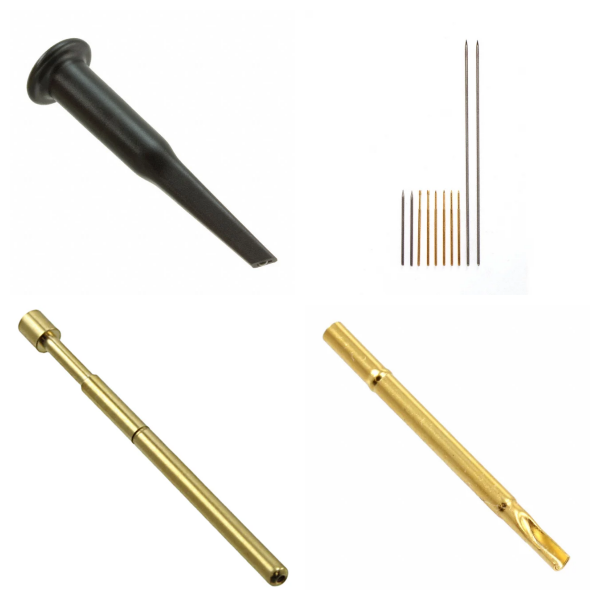
<h1> Test Probe Tips </h1> <p> Test Probe Tips are used to connect test equipment to the circuit/chip/design being tested. Often the device consists of a cylindrical rod with a head that is concave, convex, a crown, a clamp, a point or blade, or a hooked end. The other end is usually a wire lead. The characteristics are tip type, connection type, tip length, overall length, voltage rating, and cable rating (CAT I, CAT II, CAT III, CAT IV, IEC). </p>
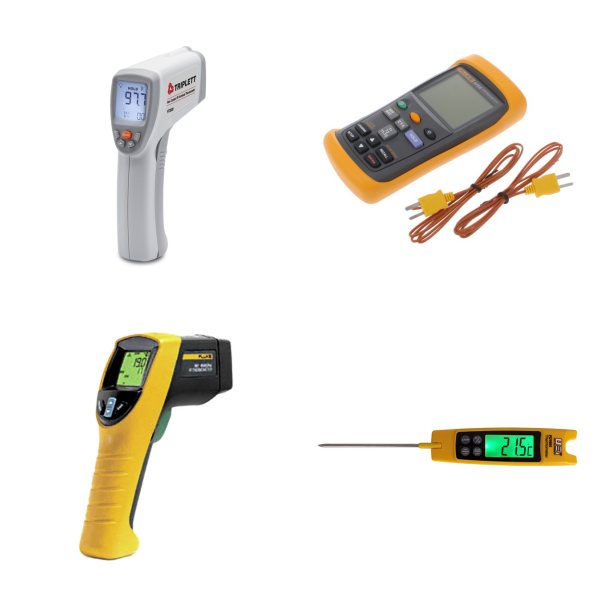
<h1> Thermometers </h1> <p> Thermometers are equipment designed to measure and display temperature in either Celsius (C°), Kelvin (K°), or Fahrenheit (F°). The characteristics are type, temperature display, temperature range, display type, input type, and probe type. The types of thermometers are anemometer, handheld (Gun), or pocket, with temperature ranges from -418°F (-250°C) to 3212°F (1767°C). </p>
Test and Measurement
Test and measurement products include instruments, probes, and related equipment used to measure electrical and environmental quantities for development, diagnostics, quality control, or monitoring purposes. Examples include oscilloscopes, multimeters, test bench power supplies, thermocouple probes, alligator clips and banana test leads, function generators, as well as barometers, data loggers, sound level meters, thermal imagers, etc.