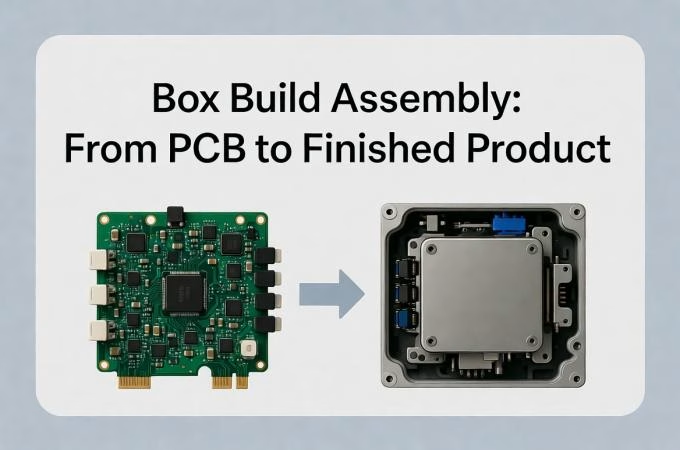
Box Build Assembly: From PCB to Finished Product
1. Introduction: Beyond the Circuit Board
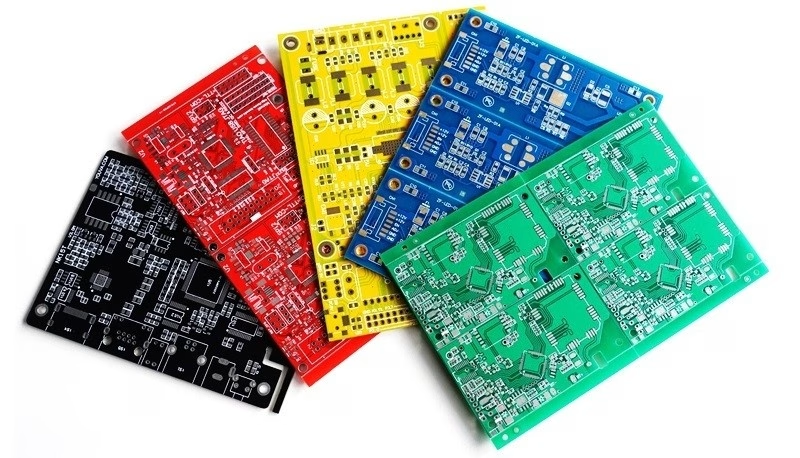
In the intricate world of modern electronics manufacturing, the journey from a raw concept to a fully functional product involves many crucial stages. While the creation of a Printed Circuit Board Assembly (PCBA) is undoubtedly a significant milestone, it’s often just an intermediate step. Imagine holding a bare circuit board; it’s a marvel of engineering, but it’s not yet the sleek smartphone, robust industrial controller, or intuitive medical device you envision. This is where Box Build Assembly enters the picture.
Box Build Assembly, also known as systems integration or electromechanical assembly, is the comprehensive process that transforms individual PCBAs and other components into a complete, deliverable, and usable finished product. It’s the critical final stage where all the disparate parts—from the enclosure to the internal wiring, connectors, and power supplies—come together, are rigorously tested, and prepared for their journey to the end-user. For Original Equipment Manufacturers (OEMs), understanding this process is vital for streamlining production, ensuring quality, and accelerating time-to-market.
2. What Exactly is Box Build Assembly?
At its core, Box Build Assembly is the culmination of all the efforts in electronics production. It encompasses everything that goes into making a finished product, beyond just populating the circuit board. While PCB assembly focuses exclusively on mounting electronic components onto a bare circuit board and soldering them, Box Build Assembly takes this assembled board and integrates it into a full system. This can range from simple tasks, like installing a single PCBA into a basic enclosure, to highly complex projects involving multiple boards, custom wiring harnesses, elaborate displays, and sophisticated power management systems.
This process is about creating a complete unit that is ready to be packaged, shipped, and ultimately, used by the consumer. It often requires strong planning, meticulous documentation, and significant manufacturing discipline to ensure that every component fits perfectly and functions as intended. The aim is to deliver a product that is not only electrically sound but also mechanically robust and aesthetically pleasing, meeting all design and performance specifications.
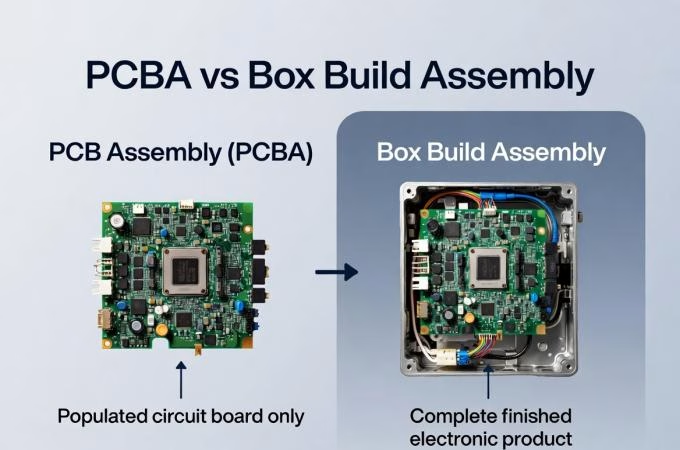
To further clarify the distinction, consider the following comparison:
| Feature | PCB Assembly (PCBA) | Box Build Assembly |
| Primary Focus | Populating and soldering components onto a bare PCB. | Integrating the PCBA with all mechanical, electrical, and aesthetic components into a finished product. |
| Output | A populated, functional circuit board. | A complete, ready-to-use electronic device. |
| Complexity Range | Component placement, soldering, basic board testing. | Mechanical integration, wiring, sub-assemblies, advanced testing, final packaging. |
| Key Deliverable | An assembled circuit board. | A fully enclosed, functional electronic product. |
3. Key Components of a Box Build Assembly
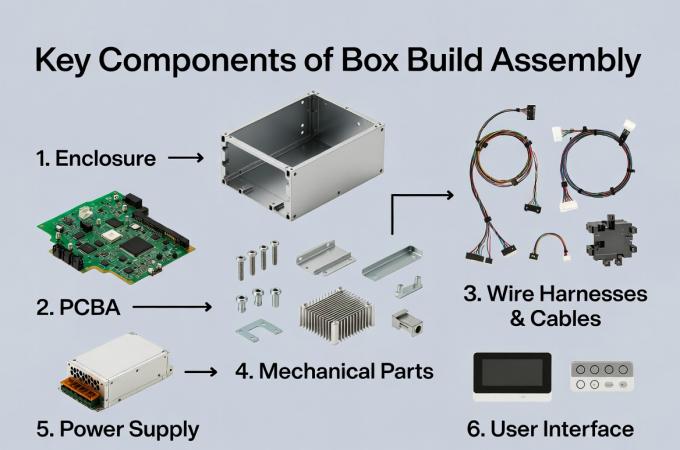
The components involved in a Box Build Assembly can vary significantly depending on the complexity and nature of the final product. However, several categories of items are commonly integrated:
- Enclosures:These are the physical casings that house all the internal electronics. They can be made from various materials like plastic, metal, or composites, providing protection, structural integrity, and the product’s aesthetic appeal. Enclosures often require custom machining, painting, or screen printing.
- Internal Wiring and Cabling:This includes individual wires, wire harnesses, and cable assemblies that connect different internal components, such as PCBAs to power supplies, sensors, or external connectors. Proper routing and management of these elements are crucial for reliability and maintainability.
- Mechanical Hardware:A vast array of mechanical components falls under this category, including screws, standoffs, fasteners, hinges, brackets, and custom-machined parts. These are essential for securing components, providing structural support, and enabling moving parts.
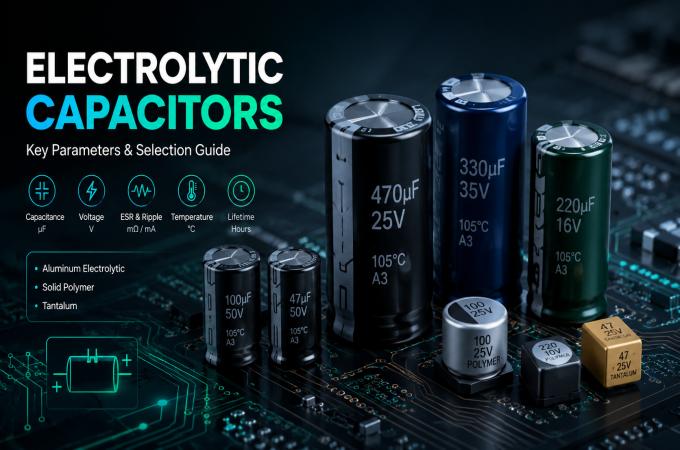
- Power Supplies and Electrical Components:Beyond the PCBA itself, Box Build can involve integrating power supplies (AC/DC converters, batteries), transformers, switches, fuses, and specialized connectors.
- User Interface Elements:Displays (LCDs, OLEDs), touchscreens, buttons, keypads, LEDs, and audio components (speakers, microphones) are often integrated into the enclosure to facilitate user interaction.
- Labels and Identification:Product labels, serial number stickers, safety warnings, and branding elements are applied during this stage, ensuring compliance and proper identification.
- Sub-Assemblies:In more complex products, several smaller assemblies (e.g., a specific module, a fan tray, or a sensor array) might be built independently and then integrated into the main box build.
- Thermal Management Components:Heatsinks, fans, and thermal pads are incorporated to manage heat dissipation, which is critical for the longevity and performance of electronic components.
Each of these components must be carefully selected, sourced, and assembled according to precise specifications to ensure the final product meets its design and functional requirements.
4. The Box Build Assembly Process: A Step-by-Step Guide
The Box Build Assembly process is a systematic approach to transforming individual components into a cohesive product. While specific steps may vary by product complexity and manufacturer capabilities, a typical process involves:
a. Planning and Documentation Review
Before any physical assembly begins, extensive planning is crucial. This involves reviewing comprehensive documentation, including detailed Bill of Materials (BOM), assembly drawings, 3D CAD models, wiring diagrams, and testing procedures. Clear documentation ensures that all stakeholders understand the exact requirements and specifications for each component and assembly step.
b. Component Sourcing and Kitting
All necessary components, including the PCBAs, enclosures, mechanical parts, cables, and power supplies, are sourced and procured. Once received, these parts are meticulously inspected for quality and then “kitted” – organized into kits for specific products or sub-assemblies to streamline the assembly line.
c. Sub-Assembly and Mechanical Assembly
Often, larger products require several smaller sub-assemblies to be built before final integration. This could involve assembling a front panel with switches and displays, creating wire harnesses, or integrating a power supply module. Following this, the main mechanical assembly begins, where the enclosure is prepared, and basic structural components are installed.
d. PCBA Integration and Wiring
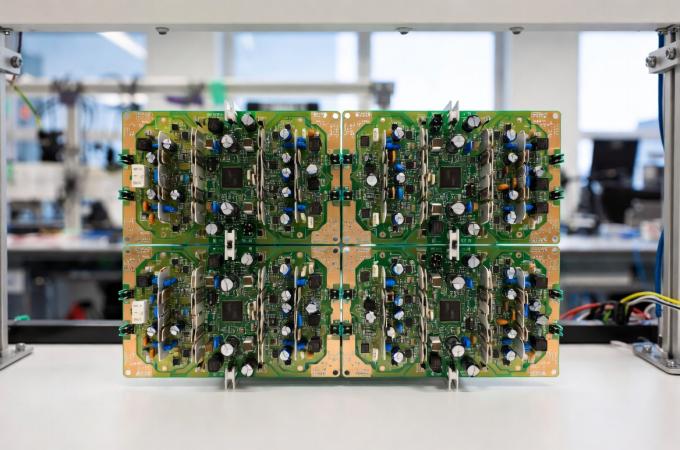
The core of the electronic product, the assembled PCB, is carefully mounted into the enclosure. This step often involves securing the PCBA with standoffs and screws, connecting internal wiring harnesses and cables to the board and other components, and ensuring all electrical connections are secure and correctly routed.
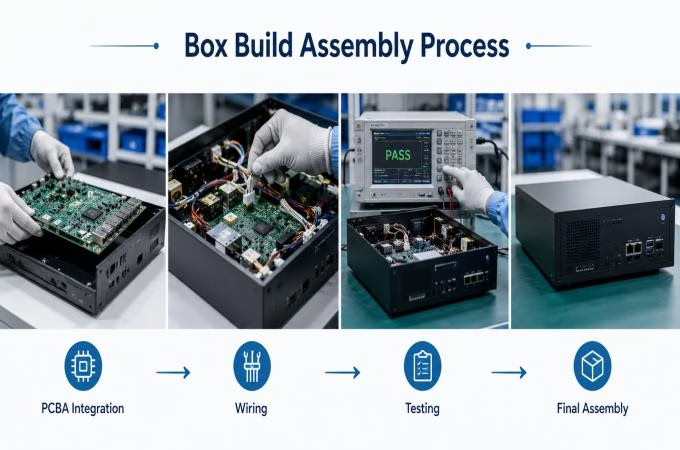
e. Firmware Loading and Configuration
For many electronic products, especially those with microcontrollers or embedded systems, firmware needs to be loaded onto the PCBAs. This step often occurs during the Box Build process, followed by initial configuration and calibration to prepare the device for functionality testing.
f. System-Level Testing and Quality Control
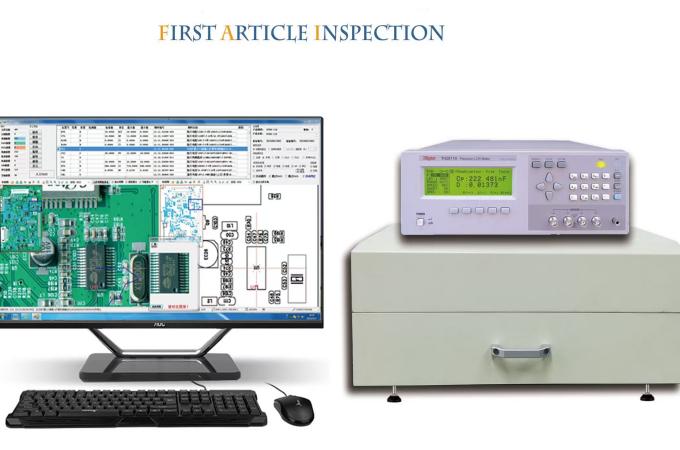
This is a critical stage where the entire assembled unit undergoes rigorous testing. Beyond basic electrical checks, system-level testing verifies the product’s full functionality, performance, and reliability. This can include:
- Functional Testing (FCT):Verifying that the product performs all its intended functions.
- Burn-in Testing:Operating the product under stress conditions for an extended period to catch early failures.
- Environmental Testing:Assessing performance under varying temperatures, humidity, or vibration.
- Safety and Compliance Testing:Ensuring the product meets regulatory standards (e.g., CE, FCC, UL).
Quality control checkpoints are integrated throughout the process to identify and rectify any defects early on.
g. Final Inspection and Packaging
Once all testing is successfully completed, the product undergoes a final visual inspection to check for any cosmetic flaws or missing labels. Then, it is carefully packaged according to customer specifications, which might include custom boxes, user manuals, accessories, and protective materials, ready for shipping.
5. Why Box Build Assembly Matters: Benefits for OEMs
Engaging a partner for Box Build Assembly offers numerous strategic advantages for OEMs looking to bring products to market efficiently and effectively.
- Streamlined Supply Chain and Logistics:By consolidating multiple stages of manufacturing with a single provider, OEMs can significantly simplify their supply chain. Instead of managing relationships with numerous vendors for enclosures, cables, and final assembly, a single Box Build partner handles it all. This reduces administrative overhead, minimizes shipping costs, and shortens lead times.
- Cost Efficiency:While the initial thought might be that more services equal more cost, a well-managed Box Build Assembly often leads to overall cost savings. Manufacturers specialized in Box Build leverage economies of scale in component sourcing, optimize labor, and implement efficient assembly processes, translating into lower unit costs.
- Improved Quality Control:A dedicated Box Build provider has the expertise, equipment, and processes to implement stringent quality checks at every stage. This holistic approach to quality, from incoming component inspection to final system testing, significantly reduces the likelihood of defects reaching the end-user, enhancing product reliability and brand reputation.
- Faster Time-to-Market:By outsourcing the complex final assembly and testing, OEMs can accelerate their product development cycle. A specialized Box Build partner can execute these stages more efficiently, allowing OEMs to launch new products faster and gain a competitive edge.
- Reduced Overhead and Capital Expenditure:OEMs can avoid investing in specialized assembly equipment, testing infrastructure, and additional manufacturing space by leveraging a third-party Box Build service. This frees up capital and resources to focus on core competencies like design and marketing.
- Expertise and Scalability:Experienced Box Build manufacturers bring a wealth of knowledge in design for manufacturability (DFM) and design for assembly (DFA), helping to optimize product designs for efficient production. They also offer the scalability to handle varying production volumes, from prototypes to high-volume runs.
6. When is Box Build Assembly the Right Choice for Your Product?
Box Build Assembly isn’t necessarily the right path for every single electronic product. However, for a wide range of devices, it offers significant advantages. OEMs should consider Box Build Assembly when:
- Scaling Production:When moving from prototyping to volume production, handling the final assembly in-house can become a logistical nightmare. A Box Build partner is equipped to manage this scale efficiently.
- Product Complexity is High:Products requiring multiple PCBAs, intricate wiring harnesses, custom enclosures, and extensive mechanical integration benefit greatly from a specialized assembler.
- Desiring a Turnkey Solution:If an OEM wants to receive a complete, ready-to-ship product without managing individual component suppliers and assembly stages, Box Build offers a comprehensive solution.
- Focusing on Core Competencies:By offloading assembly, OEMs can dedicate more resources to research & development, design innovation, and market penetration.
- Seeking Cost Optimization:For many products, particularly those with moderate to high volumes, a contract manufacturer can achieve lower overall production costs due to specialized equipment, skilled labor, and supply chain efficiencies.
- Ne eding Robust Testing:Products that require advanced functional, environmental, or compliance testing can benefit from a partner with the necessary facilities and expertise.
7. Choosing the Right Box Build Assembly Partner
Selecting the right manufacturing partner is paramount to the success of your product. When evaluating potential Box Build providers, OEMs should consider several key factors:
- Capabilities and Experience:Does the manufacturer have experience with products similar to yours? Do they offer the full range of services you need, including mechanical assembly, wiring, firmware loading, and advanced testing? Look for providers with IPC Class 3 capabilities if your product demands high reliability.
- Quality Certifications:Certifications like ISO 9001 demonstrate a commitment to quality management systems. Industry-specific certifications (e.g., ISO 13485 for medical devices) are also crucial if applicable.
- Supply Chain Management:Assess their ability to source components efficiently and reliably, mitigating risks related to obsolescence and lead times.
- Testing Expertise:Ensure they have robust testing capabilities, including functional testing, environmental testing, and the ability to conduct compliance testing required for your product’s target markets.
- Communication and Project Management:A good partner will offer clear communication, transparency, and effective project management to keep you informed throughout the production cycle.
- Scalability:Can they support your current production volumes and scale up as your product grows?
By carefully vetting potential partners, OEMs can establish a collaborative relationship that leads to high-quality, cost-effective, and timely product delivery.
8. FAQ
- Question 1:What is the main difference between PCB Assembly and Box Build Assembly?
Answer: PCB Assembly (PCBA) focuses on populating a bare circuit board with electronic components and soldering them. Box Build Assembly takes the finished PCBA and integrates it with all other mechanical, electrical, and aesthetic components (like enclosures, wiring, power supplies) to create a complete, finished electronic product. - Question 2:Is Box Build Assembly always necessary for electronic products?
Answer: No, it depends on the product and the OEM’s strategy. For simple products or those where the OEM prefers to handle final assembly in-house, it might not be. However, for complex products, volume production, or when seeking a turnkey solution, Box Build Assembly offers significant benefits in efficiency, cost, and quality. - Question 3:What types of testing are included in Box Build Assembly?
Answer: Beyond basic electrical tests, Box Build Assembly typically includes comprehensive system-level testing such as Functional Testing (FCT), burn-in testing, environmental testing (e.g., temperature, humidity), and sometimes safety and compliance testing to ensure the entire product functions as specified and meets regulatory requirements. - Question 4:Can I provide my own components for a Box Build Assembly?
Answer: Yes, many Box Build manufacturers offer flexibility. You can often provide some or all of your own components (known as consignment), or the manufacturer can handle the complete procurement (turnkey solution), or a hybrid approach. Discuss your specific needs with your chosen partner.
9. Summary
Box Build Assembly is the essential final stage in electronics manufacturing that transforms individual circuit board assemblies into fully functional, market-ready products. It involves the meticulous integration of PCB As with enclosures, wiring, mechanical hardware, power components, and various user interface elements, followed by rigorous system-level testing and careful packaging.
This comprehensive process, also known as systems integration or electromechanical assembly, offers significant advantages for OEMs, including a streamlined supply chain, enhanced quality control, cost efficiencies, and accelerated time-to-market. By choosing a capable Box Build partner, companies can offload complex manufacturing tasks, reduce overhead, and focus on their core competencies, ensuring high-quality product delivery.
Key Takeaways
- Box Build Assembly completes the product journey from PCBA to finished electronic device.
- It integrates enclosures, wiring, mechanical parts, and other components into a full system.
- Benefits include streamlined supply chains, improved quality, and faster product launches.
- Rigorous system-level testing is a critical part of the Box Build process.
- Choosing an experienced Box Build partner can significantly reduce costs and complexity for OEMs.
OrinewPCB has focused as a one-stop PCB assembly manufacturer from PCB Manufacturing to Electronic Components Sourcing to PCB Assembly to Test to Program IC for more than 14 Years with reliable quality and fastest delivery for global clients.