PCB Deformation Caused by Reflow Soldering
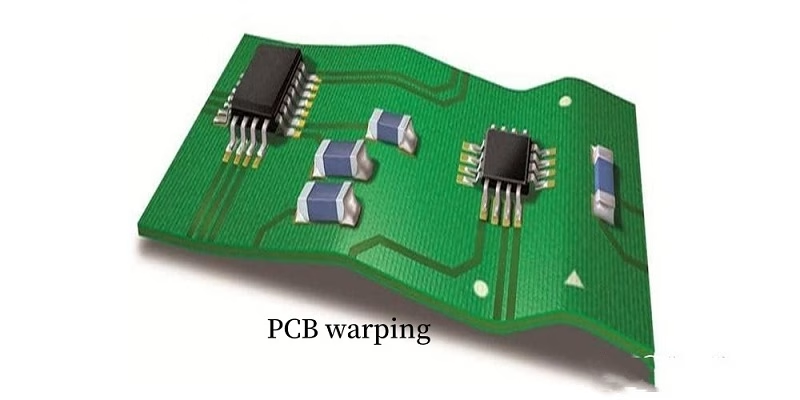
The most common deformations of PCB during reflow include warping and bending:
Bending: The board of the PCB is bent in whole or part. This can be due to uneven
mechanical or thermal stresses.
Warping: The PCB appears bent or twisted on the circuit board. This is due to the
thermal stress that occurs during PCB assembly.
Here Are the Main Causes of PCB Warping and Bending:
• The PCB board may deform during the reflowing process due to thermal stress generated by temperature
fluctuations.
• The PCB board’s material properties also influence its deformation potential. Materials with a
high thermal expansion coefficient, for example, are more prone to deformation.
• The PCB design also influences the likelihood of deformation. The larger and heavier a board is, for
example, the more likely that it will deform.
Follow These Steps to Prevent PCB Boards from Warping and Bending:
Temperature Control: It is important to control the temperature of the reflow-oven
accurately in order to prevent deformation due thermal stress.
Avoid abrupt temperature changes and use a reflow-oven with a lower temperature gradient to reduce
thermal stress.
Preheating Stage: The temperature of the PCBs is increased gradually during the
preheating phase. It helps to reduce the generation of thermal stress.
Control of cooling stage: Controlling the cooling stage speed to avoid overcooling
causing thermal shrinkage which can cause board warping. The use of progressive cooling can reduce
thermal stress.
Hot Board Design: We can adjust the shape and distribution of materials on the PCB to
make the board more stable in the reflow process.
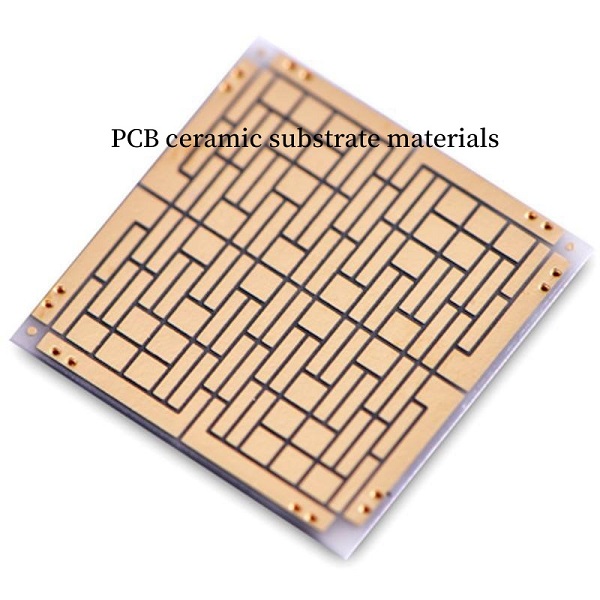
Material Selection: Select materials with a low thermal expansion coefficient in order
to reduce thermal stress. Material with a high degree of rigidity will also help reduce the chance of
the PCB board bending or warping.
Process Optimization: Use a low temperature lamination process during the manufacturing
process. Also, use uniform heating reflow and low force drilling processes to reduce mechanical and
thermal stresses.
Deformation detector: Do a denaturation test after completing PCB board manufacture.
This will allow you to detect any issues that could cause warping and bending.
The comprehensive improvements above can prevent PCB boards from warping and bending during the
reflow process. This will ensure the production of stable and high-quality electronic
products.