Printed Circuit Board VS PCB Assembly(PCB VS PCBA)
PCB (Printed Circuit Board) and PCBA (Printed Circuit Board Assembly) are two common concepts in the
electronics field. They have some key differences:
PCB (Printed Circuit Board)

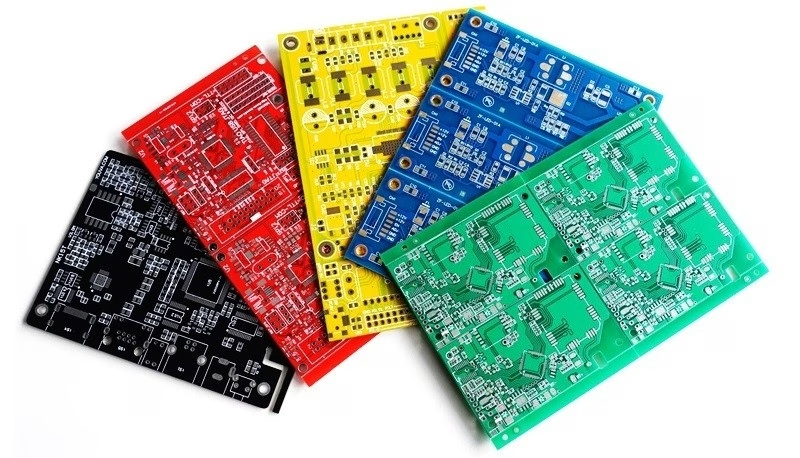
PCB, or printed circuit board, is a thin, flat substrate made of a non-conductive material such as a
composite material of fiberglass and resin.
Electronics engineers can create complex circuit connections by printing circuits, which connect
individual electronic components through a conductive route on the substrate.
PCB boards provide physical support and electrical connections through pins or pads between electronic
components, allowing electronic devices to operate.
Functions of PCB
PCB board has the following crucial functions:
1. Circuit connection: PCB board allows circuit connection between electronic
components. Printing wires, traces, and pads provide a reliable way to connect electronic components in
an orderly way to achieve specific circuit functions.
2. Electrical isolation: The non-conductive substrate of the PCB board has an
electrical isolationfunction, which can prevent interference and short circuits between different
circuits.
3. Physical support: PCB boardsnot onlyprovide electrical connections between
electronic componentsbut alsostable physical support for these components.It is crucial to protect
electronic components from mechanical stress and vibration.
4. Size and layout: PCB boards can be designed and manufactured according to specific
application requirements.Thesize,and component layout of the boardcan all be optimized based on the
design requirements.
5. Signal transmission: The wires and traces on the PCBare usedto transmit signals and
power. Their design affects the transmission performance of the signal, including the width, speed, and
anti-interference of the signal.
PCB Manufacturing Materials
PCB boardsare madeof the following materials:
1. Substrate material: The substrate material is the main body of the PCBandthe
substrate is usually composed of glass fiber and resin. One of the most common substrate materials is
FR-4, which is a glass fiber-reinforced epoxy resin material. Other materials, such as
metalsubstratesand china substrates, are also used for special applications.
2. Conductive layer: On the substrate, usually copper, is printed as a conductive layer
by chemical or physical methods. These conductive layers form circuit connections and pads.
3. Outer covering material: The outer surface of the PCB board is usually covered with
an outer covering material to protect the conductive layer and circuit traces from environmental and
physical damage.
Future Development Trends of PCB Boards
The area ofPCB design and manufacturing has been constantly evolving to satisfy the growing
technological demands and innovations. Here are some of the trends in the future development of PCB:
Smaller size and high density:As electronic devices become increasingly miniaturized,
thesizeof PCB boards is alsodecreasing,while the integration of electronic components is increasing. In
the future, PCB boards will require higher density and more compact layouts to accommodate more
functions and components.
High-frequency circuit requirements:The demand for 5G communications and high-speed
data transmission will promote the development of high-frequency PCB boards.These boards must have
excellent signal integrity, low loss, and EMI suppression performance.
Flexible electronics:Flexible electronic PCBs are PCBs with a bent nature thatbeusedin
wearable devices, curved displays, and flexible electronics. Their development will promote the
diversification of electronic devices.
Greener manufacturing:The PCB manufacturing industry is moving in a greener direction,
using reusable materials and more energy-efficient production processes to reduce the effect on the
environment in the product process.
Enhanced automation:PCB board manufacturing will continue to move
toward more highly automated processes to increase production efficiency and reduce costs.
Smart PCB boards:Smart PCB boards with integrated sensors and embedded systems will
become core components for applicationssuch asthe Internet of Things and smart homes.
Sustainability and Future Trends of PCB Boards
As society’s attention to sustainability and environmental protection continues to increase, the
manufacturing of PCB boards has also begun to move towards a more environmentally friendly direction.
This trend will become more and moreimportantin the future:
Reusable materials:The PCB manufacturing industry is gradually adopting reusable
materials to reduce waste generation.Thisincludes recycling and reusing waste PCB boards and raw
materials.
Low-pollution process:The PCB board manufacturing process is reducingpollution to the
environment. Use more environmentally friendly chemicals and processes to reduce the generation of
harmful waste andreduceenergy consumption in the product process.
Green design:PCB design also pays more and more attention to energy
saving and environmental protection. Engineers consider the energy efficiency of the circuit during the
design stage to reduce the energy consumption of the equipment.
Remanufacturability:PCB design increasingly considers maintainability and
remanufacturability to extend the life of the equipment and reduce the amount of discarded electronic
equipment.
Sustainable production practices:PCB board manufacturers adopt sustainable production
practices, including energy conservation, water management, and waste disposal, to reduce adverse
impacts on the environment.
High integration:As electronic devices become increasingly miniaturized, PCB boardsneed
toaccommodate more functions within a limited space.
Thisrequires higher levels of integration and complexity while ensuringthat there isno interference
between circuits. High-density interconnect technology andthe use ofmulti-layer PCBs will help address
this challenge.
Thermal management:Increased performance of electronic devicesis
accompaniedby higher power consumption, which causes heat accumulation. Effective thermal management
becomes critical to ensure that the device does not overheat. Optimization of heat dissipation design,
thermally conductive materials, and cooling systems are all solutions.
Material innovation:The performance of PCB boardsis also limitedby the materials used.
Future developments require more material innovations to achieve higher frequencies, lower signal loss,
and better mechanical function.
Maintainability:As PCBs increasein complexity,maintenance,and repair become more
complex.DesigningPCBs that are easier to maintainwill help extend equipment life and reduce material
waste.
Supply chain stability:PCB manufacturing relies on a
global supply chain, and unstable factors may lead to material shortages and production delays. Supply
chain management and multi-source material procurement strategies will becomemore and moreimportant.
Social Impact of PCB Boards
The development of PCB boards has not only had a profound impact on the electronics industry but also
had a positive impact on various fields of society:
Economic contribution:The PCB manufacturing industry creates many jobs
worldwide andmakes significant contributionsto the national and regional economies.
It supports the entire electronics industry chain, from electronic component manufacturing to final
product assembly.
Medical innovation:The application of PCB boards in the medical field
has promoted the development of new technologies such as remote medical monitoring, medical imaging, and
health tracking devices.
Technology popularization:The wide use of PCB boards has made modern electronic
devicesmore popular,therebyimproving people’s quality of life and providing convenience for
electronic innovation to serve society.
Globalization of PCB manufacturing:Procurement of PCB from different PCB suppliers
opens up the possibility of international trade and business opportunities, whichhas a significant
impact onnational and regional economic growth.
PCBA Board (Printed Circuit Board Assembly)
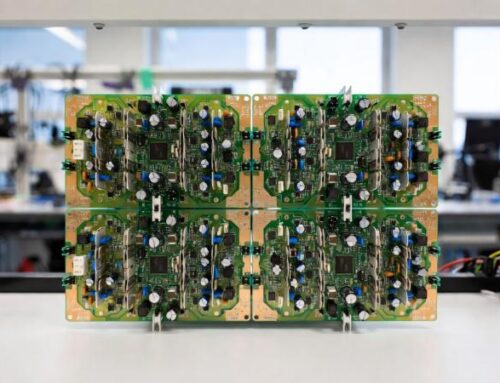
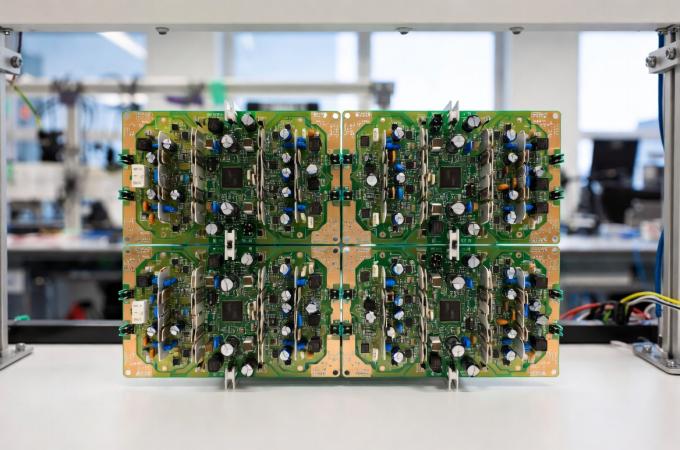
PCBA (Printed Circuit Board Assembly) is to assemble various electronic components onto a PCB board to
form a fully functional circuit board.

The Following are the Importance and Application Areas of PCBA:
Electronic Product Manufacturing:PCBA is one of the core steps in the electronic
product manufacturing process. Almost all electronic devices,from smartphones to televisions, computers,
and home appliances, require PCBA to assemble electronic componentsso that they canoperate normally.
Industrial Control Systems:Industrial automation and control systems often use printed
circuit board assembly to support their functionality. These systemsare usedtomonitor and control
production lines, machinery, and factory processes.
Medical Devices:The medical industry uses PCBA extensively to support the operation and
monitoring of medical devices, including pacemakers, X-ray machines, medical imaging equipment, and
laboratory instruments.
Communication Equipment: Wireless communication base stations, network
routers, communication terminal equipment, etc. All rely on high-performance PCBA to achieve high-speed
data transmission and signal processing.
PCBA Manufacturing Process
The manufacturing process of PCBA is highly complex, and it requires a high degree of automation and
precision to ensure the correct installation and connection of electronic components. The following are
the main steps of the PCBA manufacturing process:
Component procurement: The first step in manufacturing PCBA is to purchase various
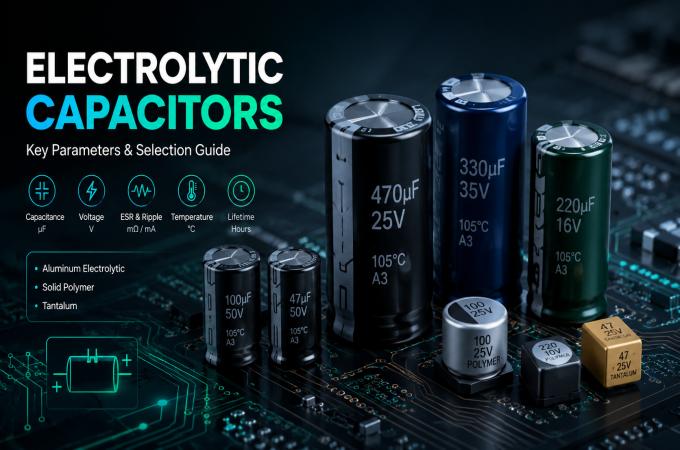
electronic components, including resistors, capacitors, integrated circuits, connectors, and other
necessary components. These components must come from reliable suppliers and be quality inspected.
PCB Manufacturing:PCB boards are usually custom-made and manufactured according to
specific design requirements.Thisincludessteps such asprinting the circuits, adding outer covering
materials, drilling, etching, and metallization to form the circuit board.
Component patch:This is the core step of PCBA. Various electronic componentsare
precisely mountedon the PCB board according to the design requirements. It can be by manual operation or
automated equipment (SMT or PTH technology).be done by manual operation or automated equipment (SMT or
PTH technology).
Soldering: Once the components are mounted, soldering connects the electronic
components to the conductive layer on the PCB board.It can be achievedthrough surface mount soldering
(SMT) or through-hole soldering (PTH).
Quality Control:After manufacturing, PCBA needs to undergo strict quality control and
testing to ensure the correctness and reliability of the circuit. These tests include connectivity
testing, functional testing, temperature cycle testing, etc.
Packaging and Delivery:Finally,the PCBAs are packaged to protect them from damage and
are ready for delivery to the final device manufacturer for further assembly.
PCBA Quality and Reliability
The quality and reliability of PCBA are critical to the performance of electronic products. The
following are the key factors to ensure the quality and reliability of PCBA:
Material Quality:The quality of a PCBA is affected by the components and materials
used. Using high-quality, reliable components and materials is critical.
Precise patch and soldering:Accurate patch and soldering of electronic components is
critical to ensuring circuit board performance. Automated equipmentis usedto improve accuracy.
Quality Control and Testing:It isimportantto strict quality control and testing during
the manufacturingprocess,to detect and correct potential problems, ensuring that each PCBA meets
specifications.
Environmental adaptability:PCBAs must be able to operate in different environmental
conditions, including temperature changes, humidity, and vibration. Therefore, their design and
manufacture must take these factors into account.
Maintainability:Considering long-term use and maintenance, the design of PCBA should
also consider maintainability.Thisincludes easy access and replacement of faulty components, as well
asproviding clear identification and documentation so that technicians can effectively repair and
maintain.
Reliability testing:PCBAneeds toundergo various reliability tests, such as a life test,
temperature cycle test, and vibration test. These tests can help determine the expected life and
reliability level of the PCBA.
Standards and specifications:Following international standards and industry
specifications is essential to ensure the consistency and quality of PCBA. Manufacturers often
continuously update their manufacturing processes to meet these standards.
Future Technology Trends of PCBA
The PCBA field is also evolving to adapt to future technology trends. The following is the relevance of
PCBA to future technology trends:
Internet of Things:With the increase of electronic devices, PCBA will continue to
support the development of this field.It needs to meetthe requirements of small size, low power
consumption, and high integration to connect and control billions of IOT devices.
5G Technology: The popularization of 5G communication technology will require higher
frequency and higher width PCBAs to support high-speed data transmission and low-latency communications.
Artificial Intelligence (AI): PCBA plays a crucial role in AI hardware accelerators,
whichare usedto accelerate AI tasks. It needs to have high-performance computing and data processing
capabilities.
Wearable Technology:PCBA applications will continue to grow in wearable devices such
assmartwatches,andhealth monitoring devices.
Green and Sustainability:Environmental protection and sustainability are key trends in
the future. PCBA design and manufacturing will continue to move towards energy efficiency, material
reusability, and reduced waste generation.
Summary
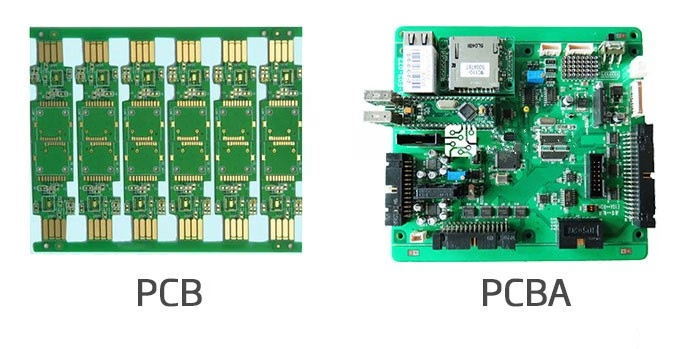
In short, a PCB is a circuit board without mounted electronic components,while a PCBA is a circuit
board that contains mounted electronic components.
PCB is a part of PCBA and is applied to support and connect electronic components. When manufacturing
electronic products, it is necessary to design and manufacture PCB,andassemble the required electronic
components onto the PCB to form PCBA, and finally build a complete electronic device.