What is FR-4? The Ultimate Guide to PCB Substrates
1. Introduction
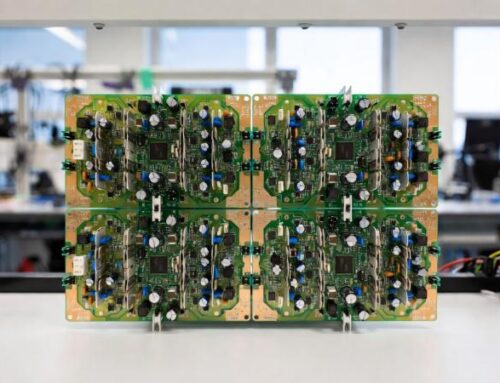
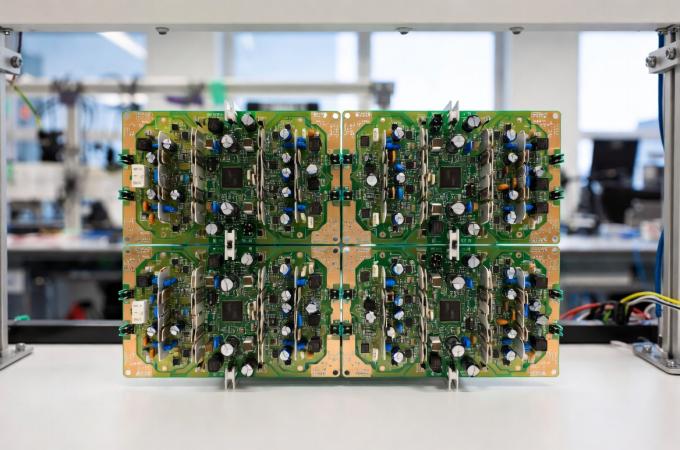
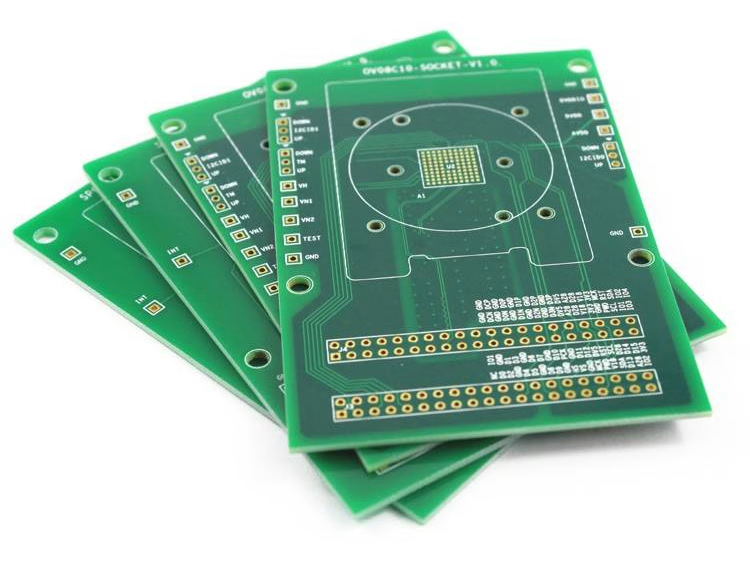
In the intricate world of electronics, every device, from your smartphone to complex aerospace systems, relies on a foundational component: the Printed Circuit Board (PCB). At the heart of most rigid PCBs lies a material that balances performance, cost, and reliability – FR-4. Often unseen and rarely discussed by the end-user, FR-4 material is the unsung hero, providing the structural integrity and electrical insulation essential for modern technology. Understanding this ubiquitous material is not just for engineers; it’s key to appreciating the robust designs that underpin our digital lives. This comprehensive guide will delve into what FR-4 is, its critical material properties, why it dominates PCB manufacturing, and its wide-ranging applications, ensuring you grasp the significance of this indispensable substrate.
2. What Exactly is FR-4? Defining the Industry Standard
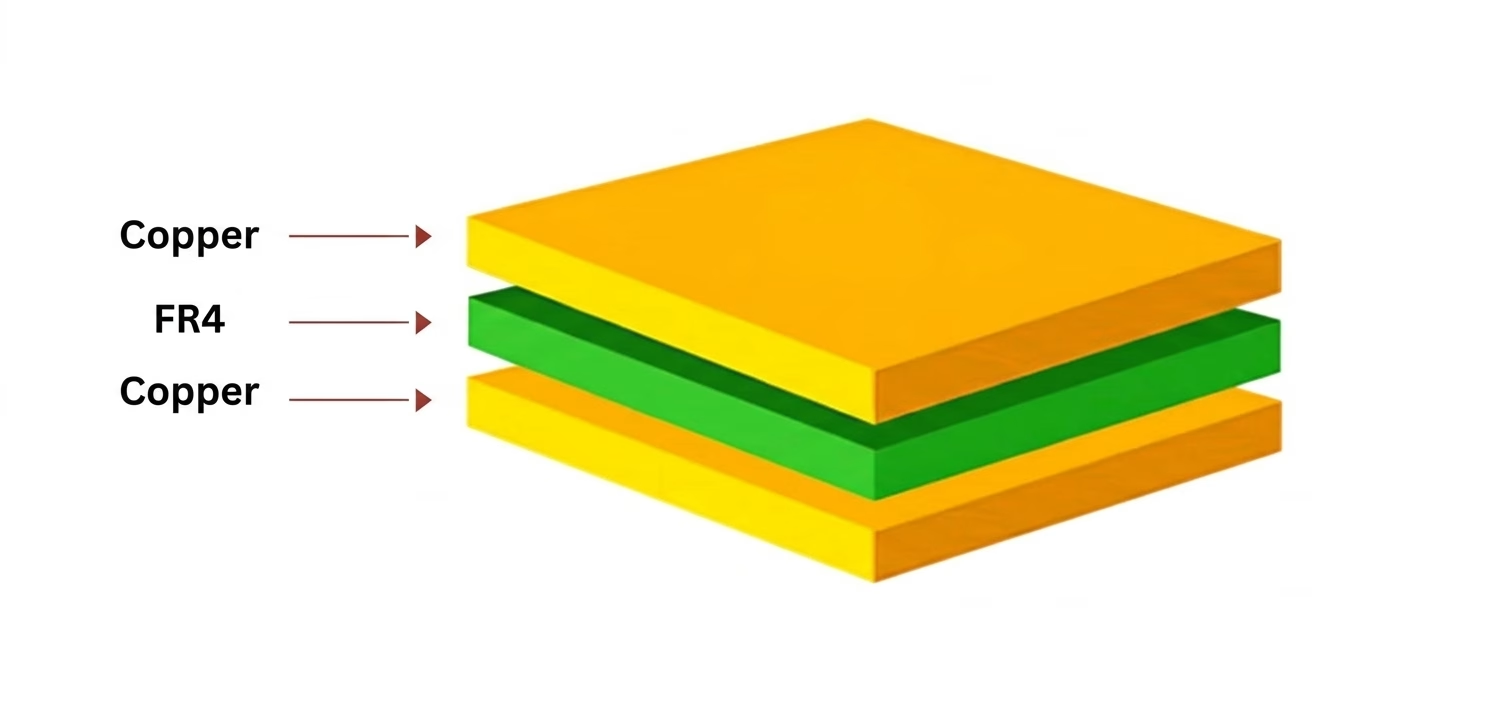
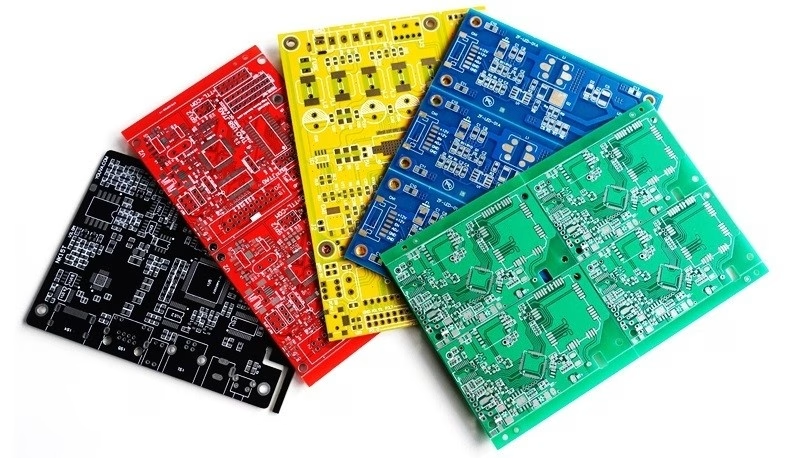
FR-4 is more than just a name; it’s a specific grade of glass-reinforced epoxy laminate that serves as the primary base material for the vast majority of rigid printed circuit boards. The term “FR” stands for “Flame Retardant,” indicating that the material meets specific standards for fire resistance, primarily the UL94V-0 standard for plastic material inflammability. The “4” in FR -4 denotes its specific performance level within the family of glass epoxy laminate materials, a classification set by the National Electrical Manufacturers Association (NEMA).
At its core, FR-4 is a composite material, formed by combining woven fiberglass cloth with an epoxy resin binder. This ingenious combination yields a substrate with an optimal balance of electrical, mechanical, and thermal characteristics. The fiberglass provides mechanical strength and stability, while the epoxy resin acts as a dielectric material, offering excellent electrical insulation between conductive layers and bonding the fiberglass fibers together. This blend of components ensures the material stops the expansion of fire and facilitates its immediate extinguishing if ignition occurs, a crucial safety feature for electronic devices (NextPCB, Guide to FR-4 Printed Circuit Board (PCB) Material.
3. Key Properties That Make FR-4 Indispensable
The widespread adoption of FR-4 material in PCB manufacturing is due to its excellent comprehensive performance across various critical parameters. These material properties are what make it suitable for a diverse range of electronic applications.
Electrical Properties:
- Dielectric Constant (Dk or Er):Typically ranging from 4.2 to 4.8 at 1 GHz, the dielectric constant affects signal propagation speed and impedance. While stable enough for many applications, it can vary with frequency, making it less ideal for extremely high-frequency designs where signal integrity is paramount.
- Dielectric Strength:FR-4 boasts high dielectric strength, meaning it can withstand high voltages without breaking down, providing reliable electrical insulation between layers .
- Volume Resistivity:This property indicates the material’s ability to resist current flow, confirming its excellent insulating capabilities.
Mechanical Properties:
- Mechanical Strength: The fiberglass reinforcement gives FR-4 exceptional mechanical strength, rigidity, and dimensional stability. This allows it to maintain its shape under stress and provides a robust foundation for components.
- Flexural Strength:Its ability to resist deformation under bending loads is vital for the physical integrity of PCBs during assembly and use.
- Modulus of Elasticity:Represents the stiffness of the material, which contributes to the overall structural stability of the PCB.
Thermal Properties:
- Glass Transition Temperature (Tg):Tg is a critical thermal property, representing the temperature at which the epoxy resin changes from a rigid, glassy state to a more rubbery, pliable state. Standard FR-4 typically has a Tg of 130°C. Higher Tg versions (e.g., 170°C, 180°C) are available for applications requiring greater thermal stability , such as lead-free soldering processes or high-power devices that generate more heat.
- Thermal Conductivity:FR-4 has relatively low thermal conductivity, meaning it does not efficiently dissipate heat. This is a crucial consideration for FR-4 PCB thermal management in high-power applications, often requiring additional heat sinks or thermal vias.
- Coefficient of Thermal Expansion (CTE):This indicates how much the material expands or contracts with temperature changes. A mismatch in CTE between the FR-4 and copper layers can lead to stress and delamination, especially during thermal cycling.
Flame Retardancy:
- As its name suggests , FR-4 is inherently flame retardant. The presence of bromine in the epoxy resin ensures the material meets the UL94V-0 standard, preventing fire propagation and enhancing safety (NextPCB, Guide to FR-4 Printed Circuit Board (PCB) Material ).
Chemical Resistance:
- FR-4 offers good resistance to many chemicals, which is important during various PCB manufacturing processes like etching and cleaning.
Here’s a comparison of some key FR-4 material properties:
| Property | Typical Value (Standard FR-4) | Significance |
| Dielectric Constant (Dk @ 1GHz) | 4.2 – 4.8 | Affects signal speed and impedance |
| Dielectric Strength | ≥ 30 kV/mm | Resistance to electrical breakdown |
| Glass Transition Temp (Tg) | 130°C | Material stability at higher temperatures |
| Thermal Conductivity | 0.29 W/m·K | Ability to dissipate heat (low) |
| Water Absorption | ≤ 0.1% | Resistance to moisture, impacting electrical properties |
4. Why FR-4 Dominates PCB Manufacturing: Benefits & Advantages
The enduring popularity of FR- 4 material in PCB manufacturing stems from a compelling combination of benefits that make it an unmatched choice for many designs:
- Cost-Effectiveness:Perhaps the most significant advantage is its affordability. Compared to many other high-performance materials, FR-4 offers a much lower cost per square foot, making it accessible for mass production and budget -conscious projects. This cost-effectiveness is crucial for consumer electronics where price sensitivity is high.
- Excellent Balance of Performance:FR-4 provides a robust balance of electrical insulation, mechanical strength, and thermal resistance. While not excelling in any single extreme characteristic, its overall “good enough” performance for a wide range of requirements is its greatest strength. It consistently delivers reliability without over-engineering or excessive cost.
- Versatility and Wide Availability:Due to its widespread use, FR-4 is readily available from numerous suppliers globally. This ensures supply chain stability and competitive pricing. Its versatility means it can be adapted for simple single-layer boards to complex multi-layer designs.
- Ease of Processing and Manufacturing:FR-4 is relatively easy to drill, cut, and laminate, simplifying the FR-4 PCB manufacturing process flow. Its compatibility with standard fabrication techniques helps reduce production time and costs.
- High Reliability:When properly designed and manufactured, FR-4 PCBs offer high reliability and long operational lifespans, contributing to the durability of electronic devices.
5. FR-4 in PCB Manufacturing: Design & Process Considerations
While FR-4 is forgiving, optimal design and manufacturing practices are essential to harness its full potential. Engineers and designers must consider several factors:
- Layer Stackup Optimization:For multi-layer FR-4 PCBs, careful planning of the layer stackup is crucial. This involves determining the number of layers, their thickness, and the arrangement of signal, power, and ground planes to control impedance, minimize noise, and enhance signal integrity. Tools are often used to ensure proper FR-4 PCB layer stackup optimization.
- Thermal Management:Given FR-4’s relatively low thermal conductivity, effective FR-4 PCB thermal management is vital for high-power applications. This can involve incorporating thermal vias, larger copper pours for heat spreading, or external heat sinks to prevent components from overheating and to ensure long-term reliability.
- Signal Integrity:For high-speed designs, even on FR-4, controlling trace impedance, minimizing crosstalk, and reducing signal reflection are critical. This often involves careful trace routing, ground plane design, and component placement.
- Moisture Absorption:While low, FR-4 can absorb some moisture, which can slightly affect its electrical properties . Proper storage and handling are important, especially prior to assembly.
Adhering to best practices for FR-4 PCB design ensures high-performing and reliable circuit boards tailored to specific needs (AllPCB, The Ultimate Guide to FR-4 PCB Manufacturing).
6. Common Applications of FR-4 PCBs
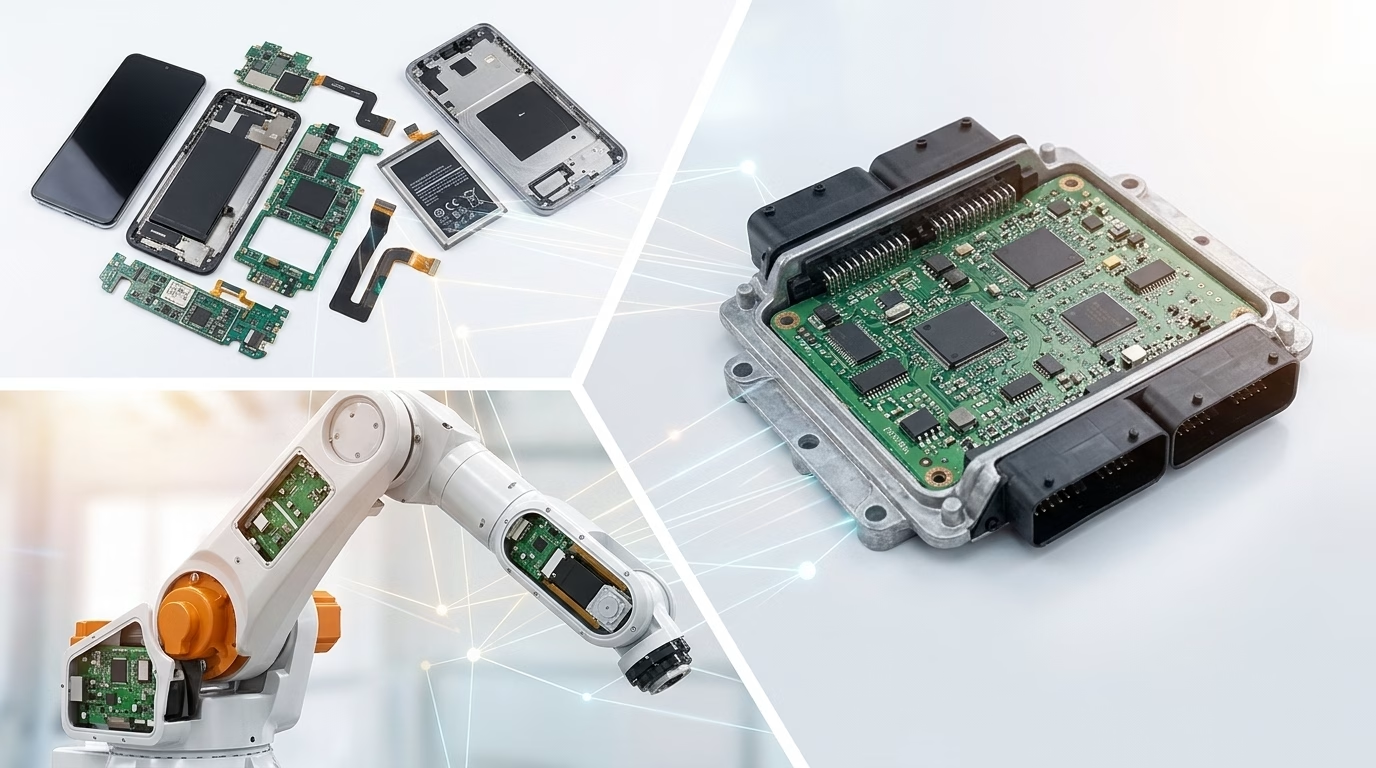
FR-4’s versatility and cost-effectiveness make it the go-to choice for a vast array of electronic devices across almost every industry:
- Consumer Electronics:From smartphones, tablets, and laptops to televisions and home appliances, FR-4 PCBs are ubiquitous, providing the essential circuitry.
- Industrial Equipment:Used in control systems, automation machinery, power supplies, and various monitoring devices where robustness and reliability are key.
- Medical Instruments:Found in non-critical medical devices and diagnostic equipment where its stable material properties are sufficient.
- Automotive Electronics:Incorporated into infotainment systems, engine control units (ECUs), and various sensors, though sometimes specialized materials are used for extreme environments.
- Telecommunications:Present in networking equipment, routers, and base stations, especially for lower-frequency communication parts.
- LED Lighting:Often used as the substrate for LED modules due to its balance of cost and performance.
7. When to Explore Alternatives to FR-4
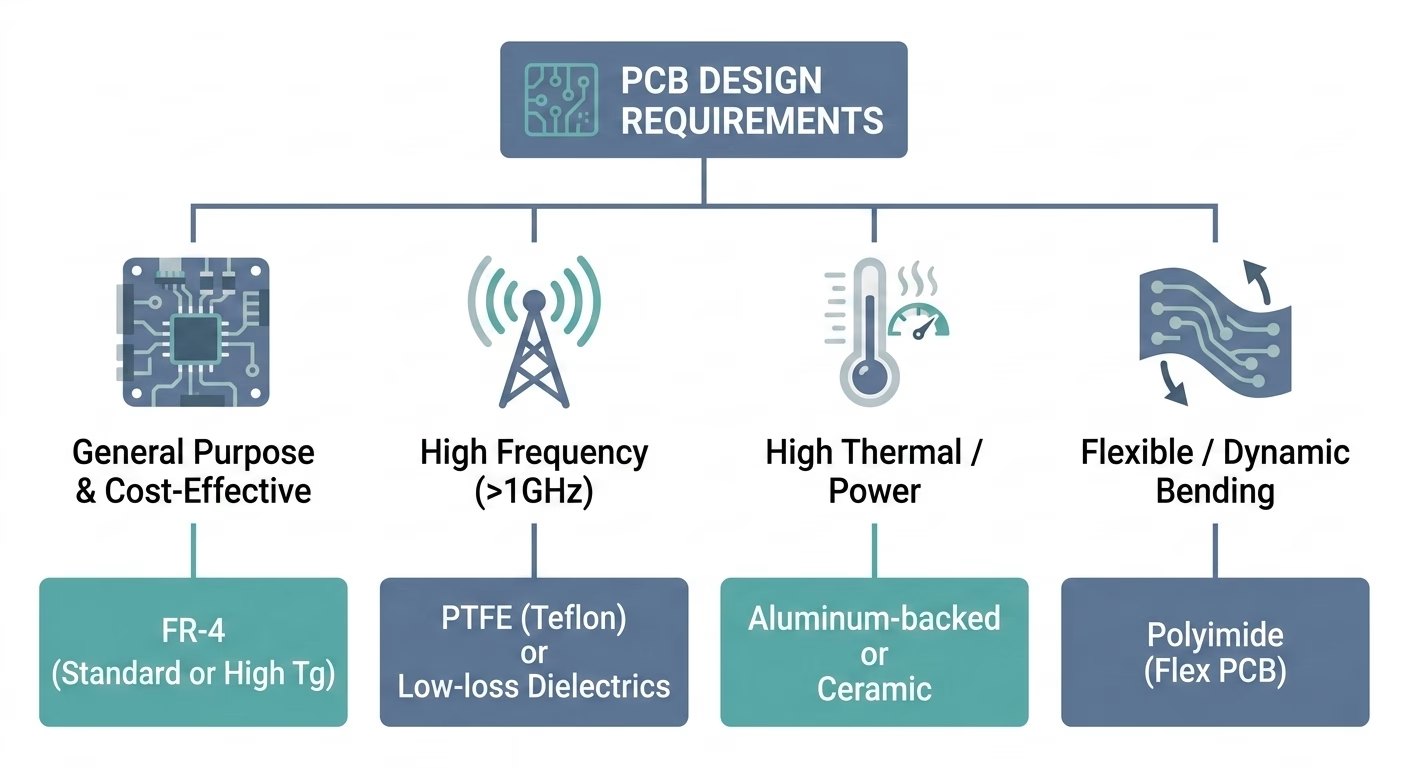
Despite its many advantages, FR-4 has limitations that necessitate the use of alternative materials in certain specialized applications:
- High-Frequency / RF Applications:At extremely high frequencies (e.g., above 1-2 GHz), the dielectric constant (Dk) and dissipation factor (Df) of standard FR-4 can become unstable and cause significant signal loss. Materials like PTFE (Teflon), ceramic-filled laminates, or other low-loss dielectric materials are preferred for RF/microwave circuits.
- High-Power Applications:For components generating significant heat, FR -4’s low thermal conductivity can be a bottleneck. Alternatives like aluminum-backed PCBs or ceramic substrates offer superior thermal management.
- Extreme Temperatures:While higher Tg FR-4 exists, for environments with consistently very high operating temperatures or rapid thermal cycling, polyimide or ceramic materials may offer greater stability and longevity.
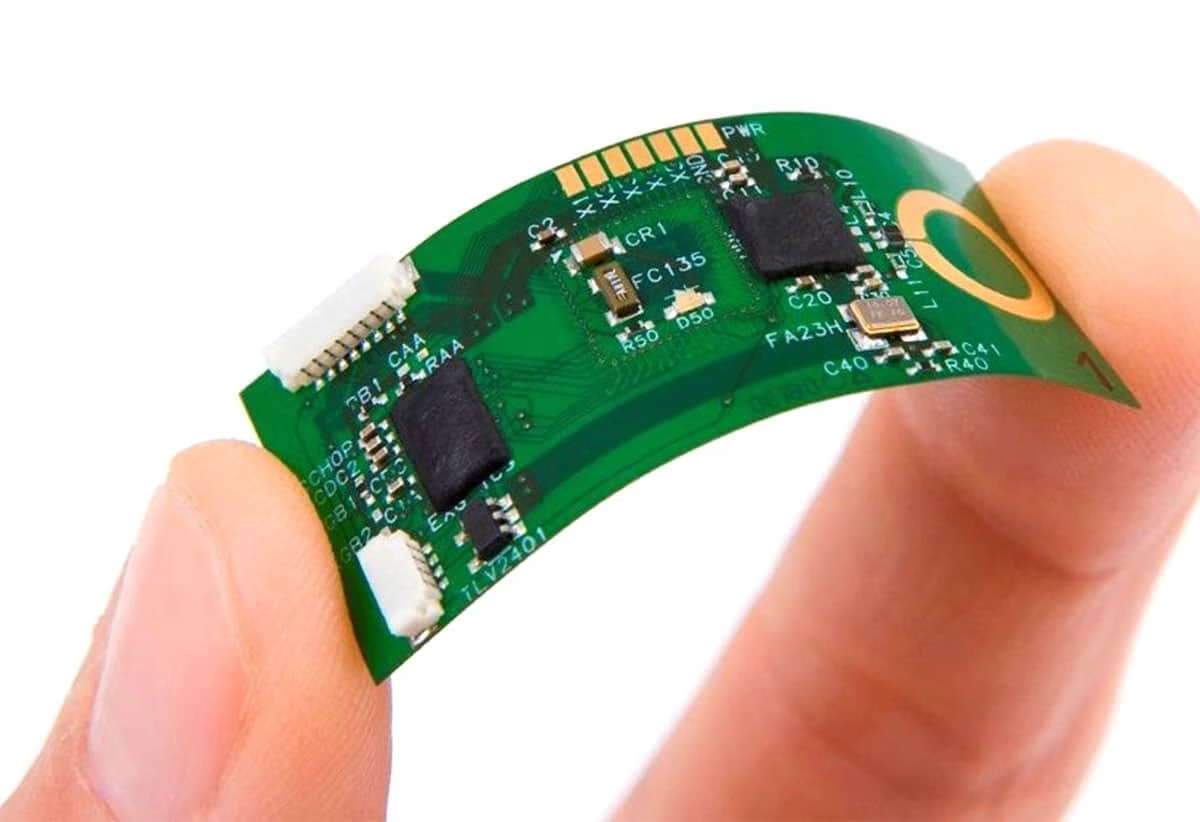
- Flexible Circuits:For applications requiring bending or dynamic flexing, FR-4 (being rigid) is unsuitable . Flexible PCB materials like polyimide are used instead.
The choice of PCB substrate is always a trade-off, balancing performance requirements, manufacturing complexity, and cost-effectiveness.
8. FR4 FAQ
(1) What does FR-4 stand for?
FR-4 stands for Flame Retardant 4. “FR” indicates its flame-retardant properties, meeting the UL94V-0 standard, and “4” is its specific grade classification within glass epoxy laminate materials.
(2) Is FR-4 environmentally friendly?
Standard FR-4 contains bromine, a halogen, which has raised environmental concerns regarding disposal and recycling. Halogen-free FR -4 alternatives are available and gaining traction for more environmentally conscious designs.
(3) What is the typical Glass Transition Temperature (Tg) of FR-4?
Standard FR-4 typically has a Tg of 130°C. However, higher Tg versions (e.g., 170°C or 180°C) are available for applications requiring greater thermal resistance, particularly in lead- free soldering processes.
(4) Why is FR-4 so commonly used in PCB manufacturing?
FR-4 is popular due to its excellent balance of electrical insulation, mechanical strength, thermal properties, flame retardancy, and its remarkable cost-effectiveness and ease of processing.
9. Summary
FR-4 material is the undisputed backbone of the electronics industry, serving as the primary substrate for the vast majority of rigid Printed Circuit Boards. Its unique composition of woven fiberglass and epoxy resin provides an optimal balance of critical material properties, including robust mechanical strength, reliable electrical insulation, and inherent flame retardancy. This combination, coupled with its superior cost-effectiveness applications, from everyday consumer gadgets to complex industrial systems. While specialized alternatives exist for extreme high-frequency or high-power demands, FR-4’s versatility and performance continue to make it the industry standard, quietly powering the technological advancements that shape our world.