Why Is the Color of Circuit Boards Green
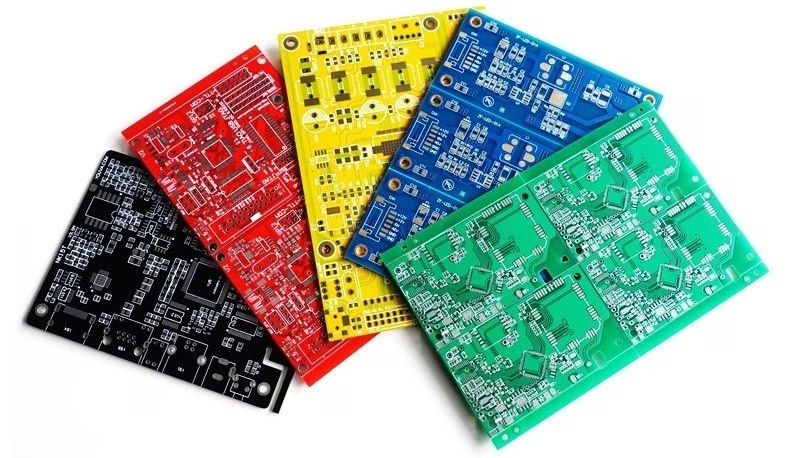
PCB circuit board can be produced in any colour
you choose.
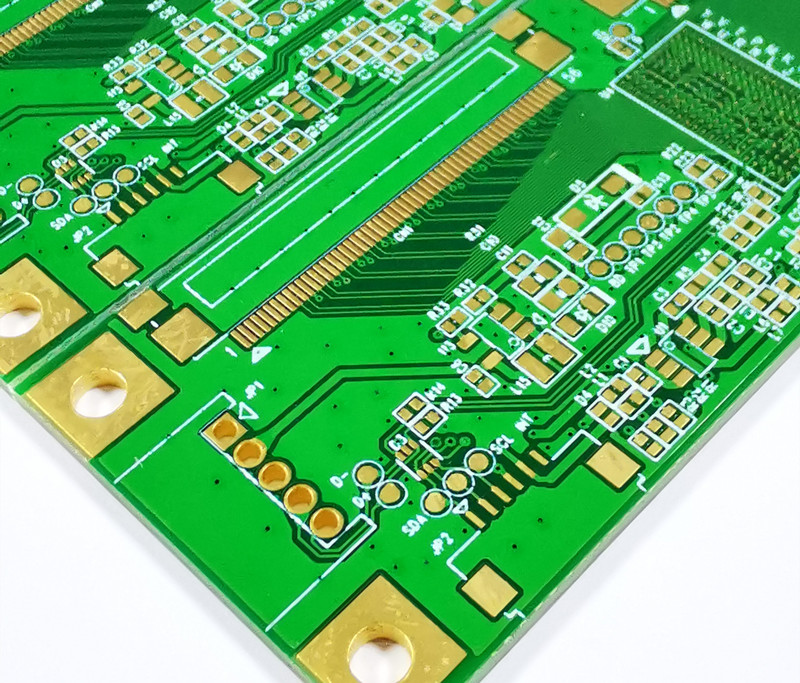
It is not the actual circuit board that is green but rather a printed material known as solder mask.
This is a solder-resistant layer. This layer is applied to the areas of the board where solder should
not be collected. This prevents the formation of solder bridges between IC pins. It can help prevent
large amounts of solder from being picked up by the board in the older eras when wave soldering was
used.

The pigment is used in the formula to make green. Green is used as a supplementary tool for the manual
inspection of PCBs. Manual checks may be required even though most checks are automated. Green solder
masks are standard and perform slightly better than other colors. Green is the standard color for PCBs.
It may be important in dense designs but it’s not a big deal on most PCBs. You get the default color
unless you specify otherwise.
It is located on the topmost layer of the component. It is on the topmost component layer (to prevent
shorts and soldering mistakes, etc.). It’s not clear why solder masks tend to be green. Here are a
few theories:
• The raw resin is green. In the initial stages of PCB
manufacture, it is melted to create the solder mask.
• Green comes from some military standard or military test.
• Under different environmental conditions, green is the best
color for the background to contrast white silkscreen text.
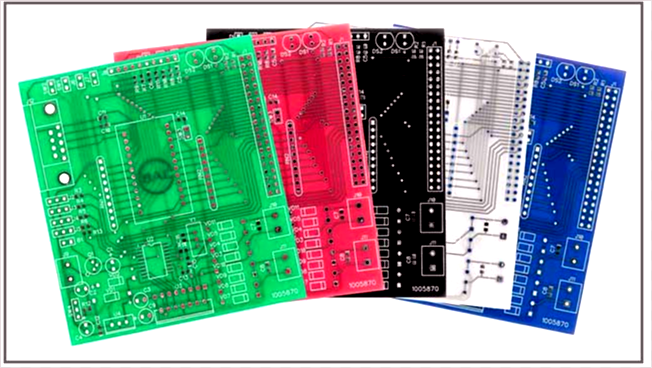
Most PCB manufacturers advertise that they are able to produce boards in all colors of soldermasks.