What Is the Direction of SMT Equipment Upgrade?
The manufacturing industry is in urgent need of transformation and upgrade due to the miniaturization
and integration of ICs and CPUs. The design of electronic products is always evolving, and intelligence
and automaton have become the main direction for enterprise development.
Surface Mount Technology
Surface Mount Technology (SMT) has seen rapid growth in the last decade. It is now
widely used across many industries. SMT’s technical advantages allowed it to replace through-hole
technologies in many areas.
The process is roughly divided into four parts: printing, SMT, weldment, and testing. SMT technology,
with its advantages and characteristics, has revolutionized electronic assembly technology.
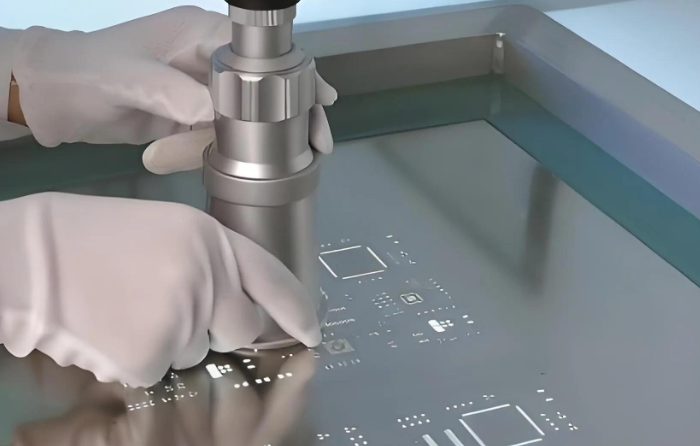
High Precision Automatic Printing for SMT Production
The printing process is the first step in surface mount technology. This has a major impact on the
quality of the SMT products. The high precision of motion control of the printing presses is one of
them.
SMT products strive to achieve high production and “zero defect” goals. Printing machines need
to be able to maintain high-speed, stable printing for long periods of time. The motion control system
must be able to operate at high speeds, with stability and reliability, for a long time. Innovative
technologies from printing component manufacturers are also required.
High-Performance, High-Efficiency, and High-Integration SMT Placement Machines
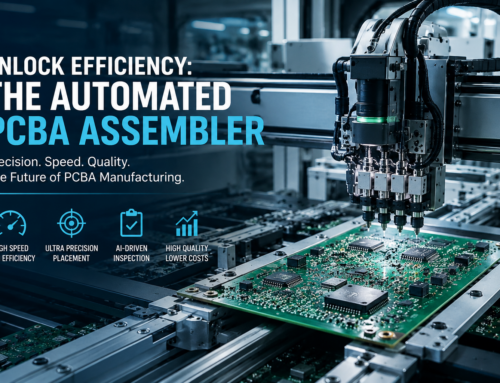
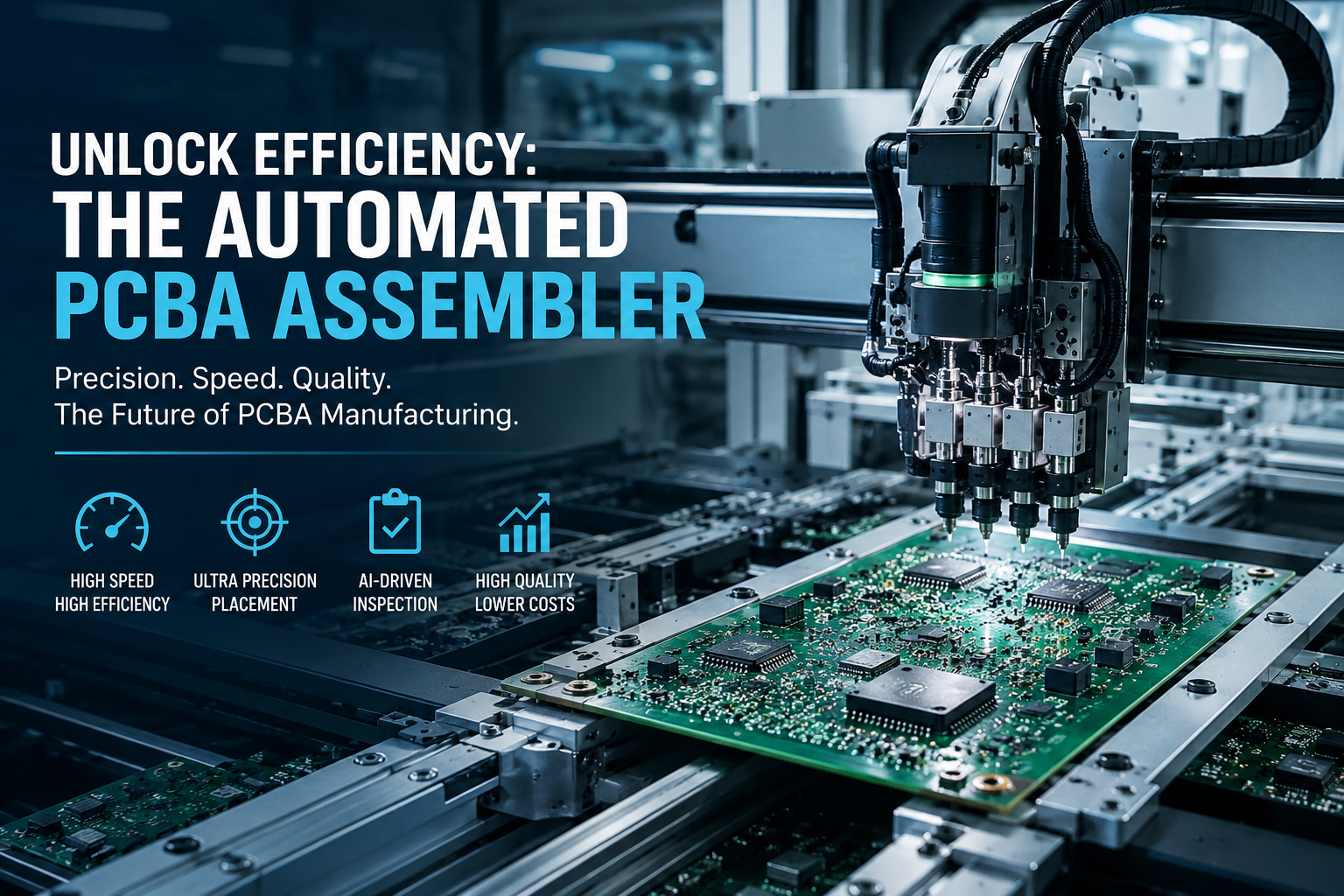
This placement machine has been designed to ensure high-speed and high-precision automated placement of
components. Its impact on accuracy and efficiency is significant. Patch production lines are one of the
most demanding in terms of equipment. Their key technologies and their stability are crucial to the
overall investment of the production line.
The development trends of placement machines can be summarized by the “four Highs”: high
integration, flexibility intelligence, greenness and diversification. The demand for complex mounting
forms, high density and high functionality is increasing as electronic devices become smaller. The
requirements for SMD mounting and hybrid semiconductor mounting have become increasingly strict.
SMT Reflow Is Committed to Protecting the Environment and Saving Energy
The SMT reflow technology is a pre-forming of welding joints without additional welding. This technology
heats air or nitrogen inside the device, and then applies it to the circuit board. This technology is
used to bond components to the motherboard at high temperatures. This process is used to weld most of
the components onto the circuit board.
With the rapid development of smart terminals, packaging technologies tend to be smaller and more
densely assembled. Circuit assembly quality standards are increasing as new packaging technologies
continue to emerge.
Compared to traditional manual inspection methods and automatic optical inspection (AOI), ICT testing,
Functional Testing (FCT), and first-piece technology, the X-RAY has shown its unique advantages. It has
gained popularity in surface mount technology (SMT), Lumiescence Diode LED, ball grid arrays (BGA), and
chip size packages (CSP).
Orinew Technology manufacturer:XRAY inspection equipment is based on X-ray projector
microscopes. This includes two-dimensional, three-dimensional, and four-dimensional systems. These
devices can improve the performance and efficiency of the inspection system. This will help to increase
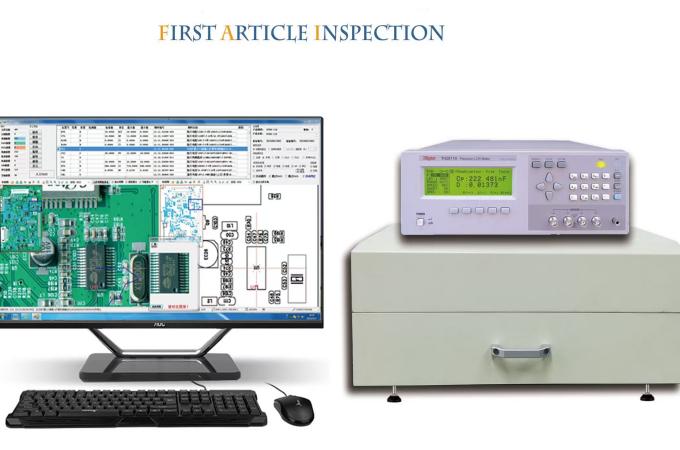
product qualification rates, as well as strive for “zero defects.” They can be used to
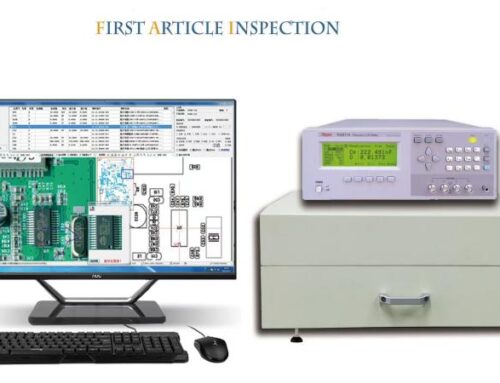
identify and prevent large-scale defects or scrap, especially in the SMT (Surface Mount Technology)
first-piece inspection.